Sarnia Councillor Bill Dennis Advocates for OPP Policing Transition
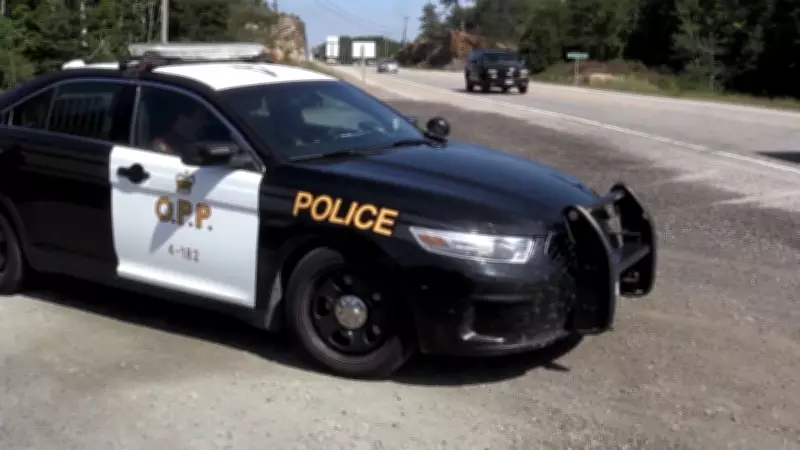
Sarnia Councillor Bill Dennis has publicly called for the city to seriously consider transitioning its policing services to the Ontario Provincial Police. This proposal, made in February 2026, suggests a potential shift away from the current municipal police force model that Sarnia has maintained for decades.
Exploring Policing Alternatives
Councillor Dennis emphasized that the city should thoroughly examine the feasibility and implications of such a transition. "We owe it to our taxpayers to explore all options," Dennis stated, highlighting concerns about rising policing costs and service efficiency. The discussion comes amid broader conversations about municipal service delivery across Ontario communities.
The OPP currently provides policing services to numerous municipalities throughout Ontario, particularly in rural and smaller urban areas. A transition would involve complex negotiations regarding:

- Service level agreements
- Cost structures and funding models
- Personnel transitions and union considerations
- Local oversight and accountability mechanisms
Municipal Context and Considerations
Sarnia, a city of approximately 72,000 residents located on the shores of Lake Huron, has maintained its own police service for generations. The proposal to consider OPP policing represents a significant potential change in how public safety is delivered to the community.
Other municipalities in Ontario have made similar transitions in recent years, with varying outcomes in terms of cost savings, service quality, and community satisfaction. Dennis suggested that Sarnia should learn from these experiences while carefully evaluating what would work best for the local context.
The councillor's proposal comes at a time when many municipalities are facing budgetary pressures and seeking innovative approaches to service delivery. Policing typically represents one of the largest expenses in municipal budgets, making it a natural area for potential restructuring discussions.
Next Steps and Community Response
While Dennis has initiated the conversation, any formal transition process would require extensive study, council approval, and likely community consultation. The proposal would need to address numerous practical considerations, including how local policing priorities would be maintained under a provincial service model.
Community reaction to the suggestion has been mixed, with some residents expressing support for potential cost savings and others concerned about losing local control over policing decisions. The debate reflects broader tensions between municipal autonomy and regional service integration that many Ontario communities are navigating.
As Sarnia begins to explore this possibility, the city joins a growing number of municipalities across Canada reconsidering their policing models in response to financial pressures, changing community needs, and evolving approaches to public safety.