Politicians Pitch Park Instead of Demolition for Pattullo Bridge
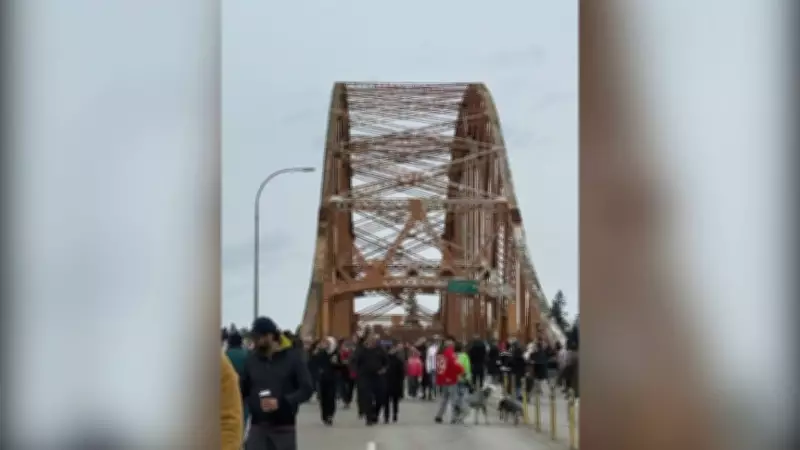
In a surprising turn of events, the Pattullo Bridge in Vancouver opened exclusively to pedestrians over the weekend, igniting a passionate debate among local politicians. Rather than proceeding with its planned demolition, several officials are now championing a bold alternative: converting the aging structure into a public park. This proposal challenges conventional infrastructure strategies and highlights growing concerns about preserving historical landmarks while fostering community spaces.
A Bridge to Green Spaces
The Pattullo Bridge, a critical transportation link for decades, has been slated for demolition as part of regional infrastructure upgrades. However, its recent pedestrian-only opening has revealed its potential beyond mere utility. Advocates argue that repurposing the bridge into a park could offer unique recreational opportunities, such as walking trails, cycling paths, and scenic viewpoints over the Fraser River. This idea aligns with global trends of transforming obsolete infrastructure into vibrant public amenities, promoting sustainability and urban revitalization.
Political Momentum and Public Reaction
Local politicians have seized on this moment to lobby for the park concept, citing benefits like reduced environmental impact from demolition and enhanced quality of life for residents. They emphasize that such a project could serve as a model for innovative urban planning, blending historical preservation with modern green initiatives. Public reaction has been mixed, with some community members expressing excitement over the prospect of a new park, while others question the feasibility and cost compared to demolition. This debate underscores broader tensions between progress and preservation in rapidly developing cities like Vancouver.

Implications for Urban Development
If implemented, the park proposal could set a precedent for how cities handle aging infrastructure. Experts note that similar projects elsewhere, such as New York's High Line, have successfully turned disused structures into popular attractions, boosting tourism and local economies. However, challenges remain, including funding, safety assessments, and regulatory approvals. The outcome of this initiative may influence future decisions on other bridges and buildings across Canada, shaping the landscape of urban renewal for years to come.
As discussions continue, the fate of the Pattullo Bridge hangs in the balance, symbolizing a larger conversation about the value of adaptive reuse in an era of climate change and community-centric design.