Inside the Police Response to Calgary's Major Water-Main Break: Chaos and Coordination
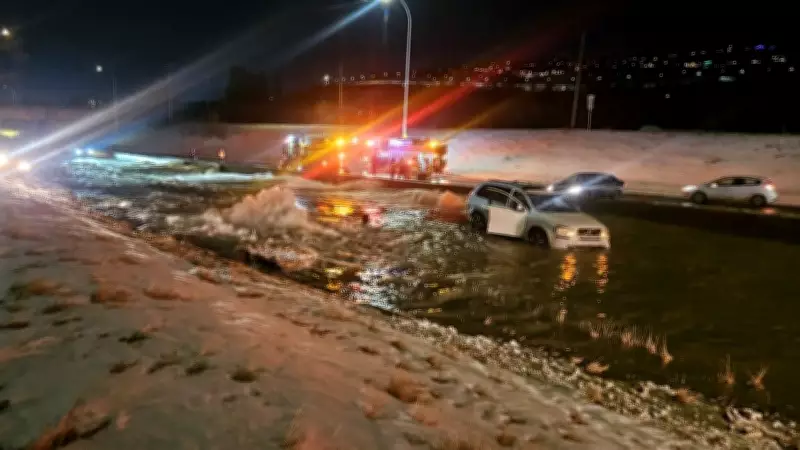
When water began billowing up from beneath the road in northwest Calgary, it marked the beginning of another significant infrastructure failure in the city. As emergency services scrambled to contain the situation, police found themselves inundated with a flood of calls—some directly related to the water-main break, others completely unrelated but demanding immediate attention.
The Unfolding Crisis
The scene in northwest Calgary quickly descended into chaos as water pressure ruptured the roadway, creating hazardous conditions for both pedestrians and motorists. Police units were dispatched to secure the area, redirect traffic, and ensure public safety while water crews worked to isolate the broken section of pipe. What made this emergency particularly challenging was the simultaneous influx of unrelated service calls that continued to come through police dispatch systems.
Emergency responders faced the difficult task of prioritizing resources between the unfolding water-main crisis and other ongoing community needs. This balancing act tested the limits of Calgary's emergency response systems and highlighted the interconnected nature of municipal infrastructure failures.

Police Coordination Challenges
Police communications centers reported receiving calls ranging from traffic accidents in other parts of the city to domestic disputes and property crimes—all while managing the water-main emergency. This created significant operational challenges as dispatchers had to:
- Prioritize life-threatening situations related to the water break
- Maintain response capabilities for unrelated emergencies
- Coordinate with multiple city departments including water services and transportation
- Manage public information and safety warnings
The incident revealed how a single infrastructure failure can strain an entire city's emergency response system, forcing difficult decisions about resource allocation and response priorities.
Broader Implications for Municipal Infrastructure
This water-main break represents more than just a temporary inconvenience for Calgary residents. It highlights the aging state of municipal infrastructure across many Canadian cities and the cascading effects such failures can have on emergency services. When police resources are diverted to manage infrastructure emergencies, response times for other calls may increase, potentially compromising public safety in unrelated situations.
The Calgary incident serves as a case study in emergency management, demonstrating how cities must prepare for multiple simultaneous crises. It underscores the importance of:
- Regular infrastructure maintenance and replacement programs
- Cross-departmental emergency planning and coordination
- Public communication systems during infrastructure failures
- Resource allocation strategies for multi-faceted emergencies
As Calgary continues to address its aging water infrastructure, this incident provides valuable lessons for municipal planners and emergency responders across the country facing similar challenges with their own aging systems.