No-Parking Zone Expanded in Tucson Neighborhood Amid Media Presence Complaints
Local authorities in Tucson, Arizona, have significantly widened a no-parking zone in the neighborhood where Nancy Guthrie resides. This decision comes in direct response to numerous complaints from residents about the disruptive presence of journalists and streamers who have been congregating in the area.
Resident Frustration Leads to Action
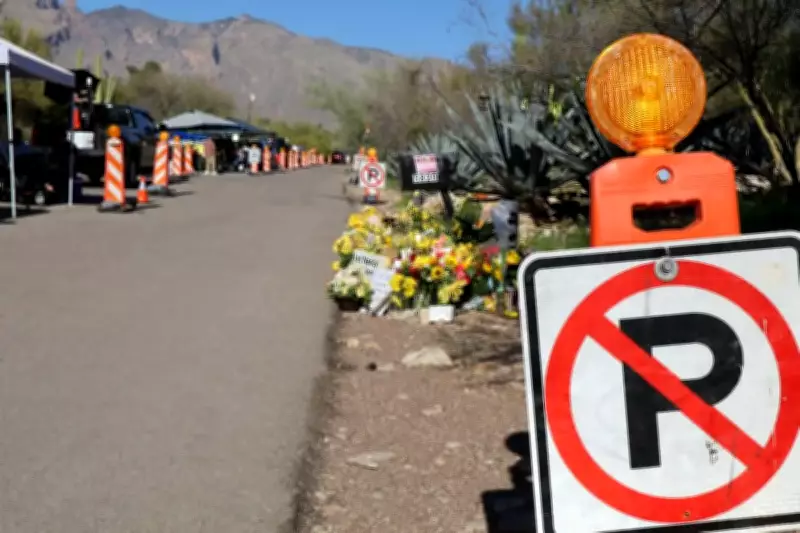
The situation escalated recently as media personnel and independent content creators established a semi-permanent presence along the road where Guthrie lives. On one side of the street, official "no parking" signs now stand prominently, while the opposite side has become lined with canopies, vehicles, and equipment belonging to those covering ongoing developments.
"The constant stream of unfamiliar vehicles and people setting up camp has created genuine safety concerns and disrupted our daily lives," explained one neighbor who requested anonymity. "What began as occasional media visits has transformed into what feels like a permanent encampment."

Official Response and Implementation
City officials confirmed the parking restriction expansion after conducting an assessment of traffic patterns and resident complaints. The new regulations prohibit parking along additional stretches of roadway that were previously accessible to both residents and visitors.
"Our primary responsibility is to ensure public safety and maintain reasonable quality of life for all residents," stated a city transportation spokesperson. "When legitimate concerns about traffic hazards and neighborhood disruption are raised, we have an obligation to respond appropriately."
Media Presence and Neighborhood Impact
The increased media attention stems from ongoing developments that have placed Guthrie at the center of public interest. While journalists have a right to pursue stories, the concentration of media personnel in a residential area has created several issues:
- Reduced parking availability for residents and their guests
- Increased traffic congestion during peak hours
- Noise disturbances from equipment and conversations
- Privacy concerns for all neighborhood residents
Streamers and independent content creators have added another dimension to the situation, often arriving with more elaborate setups than traditional media and remaining in place for extended periods.
Balancing Rights and Responsibilities
The expansion of parking restrictions represents a compromise between competing interests. While media organizations maintain their right to cover newsworthy events, residents deserve reasonable peace and safety in their own neighborhoods.
"This isn't about preventing legitimate journalism," emphasized the transportation spokesperson. "It's about ensuring that media activities don't unreasonably interfere with residential life. The expanded no-parking zone creates necessary boundaries while still allowing coverage to continue from appropriate distances."
The situation continues to evolve as both residents and media personnel adjust to the new regulations. City officials have indicated they will monitor the effectiveness of the expanded restrictions and make further adjustments if necessary to balance the various interests at play in this Tucson neighborhood.