An Ottawa resident, still recovering from a severe car accident, is raising the alarm about pedestrian safety in her neighbourhood and fears that temporary traffic-calming measures may not return in the spring.
A Life-Altering Collision
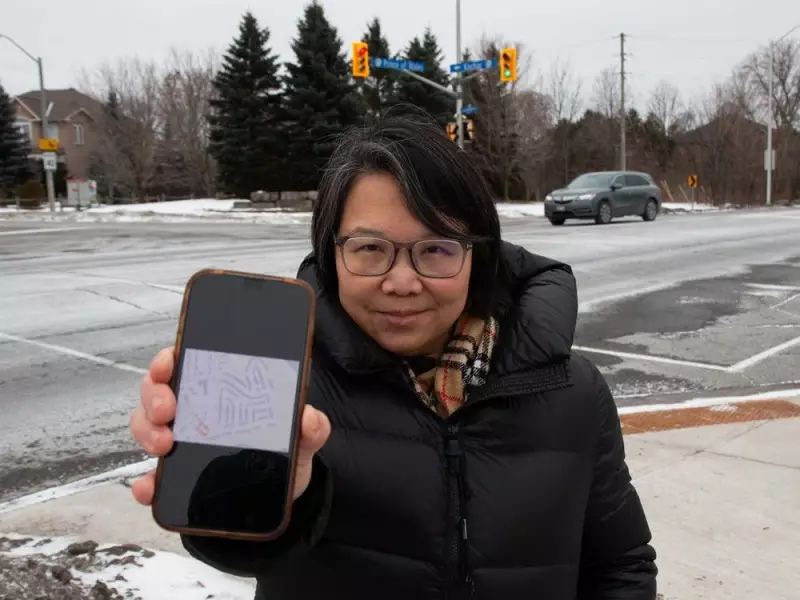
Viola Hoo, a resident of the Moffatt Farm community, can pinpoint the exact location on a city map where her life changed in December 2024. While attempting to cross Prince of Wales Drive to return home, her red Toyota minivan was T-boned by a vehicle that ran a red light.
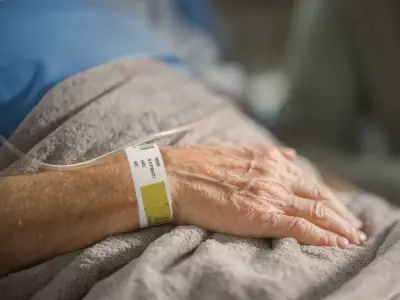
The violent impact sent her minivan spinning and deployed all the airbags. The crash caused a brain bleed and left Hoo with lasting dizziness and balance issues. "I can’t move forward, look over my shoulder and talk to someone at the same time," she recounted, highlighting the ongoing consequences of the collision.

Community Safety Measures Under Scrutiny
The accident prompted Hoo to pay closer attention to road safety in her area, which borders the problematic intersection. In response to community concerns, the City of Ottawa installed temporary flex stakes—slender, reflective posts—along Kochar Drive in the summer of 2025 to calm traffic.
These seasonal stakes were removed for the winter, but Hoo is advocating strongly for their reinstatement in 2026 due to persistent speeding problems. However, a recent survey distributed by River Ward Councillor Riley Brockington has her concerned. The flyer, asking for resident feedback on the measure, feels to Hoo like a signal that the stakes may not come back.
"I think that the safety measures outweigh the frustrations of people’s parking issues, let alone their curb appeal," Hoo stated, addressing complaints she has heard from some neighbours about the stakes' aesthetics and questioning the evidence for their initial installation.
The Councillor's Perspective and Decision Process
Councillor Brockington explained that the survey is a standard year-end practice for communities where new measures have been tried. He emphasized that seasonal traffic-calming tools like flex stakes do not undergo the same rigorous analysis as permanent infrastructure like speed bumps.
"These aren’t initiatives I just ram through a community against people’s wishes," Brockington said. He noted that each councillor has approximately $75,000 to allocate for temporary traffic-calming in their ward, and flex stakes are a go-to option because they are among the cheapest and easiest to implement.
The decision on whether the flex stakes return to this section of Kochar Drive will be informed by the resident feedback. "I’ll use that to inform my decision making in 2026," Brockington confirmed, placing the outcome directly in the hands of the community's response.
For Viola Hoo, the outcome is deeply personal. Her experience has transformed her into a vocal advocate for tangible safety interventions, underscoring the ongoing challenge municipalities face in balancing immediate safety tools with neighbourhood preferences and long-term planning.