Ottawa-Owned Railway Ditch in Arnprior Sparks Flooding Dispute with Residents
A small piece of Ottawa-owned infrastructure in the town of Arnprior has become the center of a prolonged and frustrating dispute for local residents, who are grappling with persistent flooding issues and a lack of clear municipal accountability. This situation highlights the complexities that can arise when municipal boundaries intersect with infrastructure maintenance responsibilities.
Historical Context and Ownership Complications
The problematic stretch of rail corridor dates back to the era of lumber baron J.R. Booth and was transferred to the former Regional Municipality of Ottawa-Carleton in 1992. Following municipal amalgamation, ownership passed to the City of Ottawa. This transfer included several "railway subdivisions" outside Ottawa proper, such as the Carleton Place and Prescott subdivisions.
The specific "Renfrew Rail subdivision" running from Nepean to Arnprior was leased to BASF (now Nylene), an Arnprior factory that operated a private rail company for transporting goods. This private rail operation continues today, adding another layer to the jurisdictional puzzle.

The Ditch That Divides Responsibility
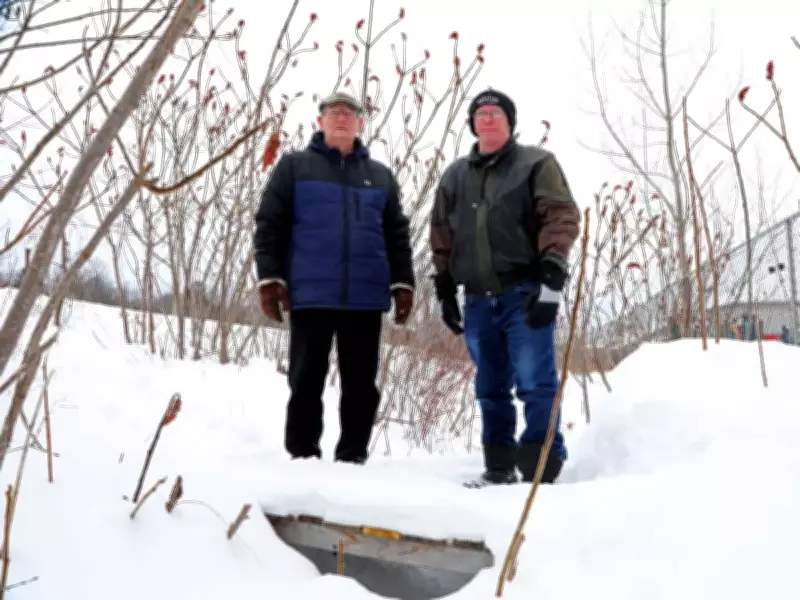
At the heart of residents' concerns is a drainage ditch running below the railway embankment. This ditch presents a unique jurisdictional challenge: one side falls within Ottawa's boundaries, while just a few metres away, it becomes part of Arnprior's territory. This geographical quirk has created what residents describe as years of bureaucratic limbo regarding maintenance responsibility.
Michael O'Connor, who purchased a house near the slope in 2013, has been vocal about the deteriorating situation. "I have been telling the City of Ottawa for years and years that this is getting worse," O'Connor stated, expressing concern that property damage is inevitable. "Water chooses the quickest way to the lowest spot."
Documented Flooding Incidents and Environmental Concerns
The flooding problem reached a critical point on March 16, when a combination of spring thaw and heavy rainfall inundated Cyril and Lise Brunet's basement, causing approximately $60,000 in damage. Their insurance covered only about $40,000 of this loss, leaving them with significant out-of-pocket expenses.
The Ministry of the Environment, Conservation and Parks has documented numerous complaints about the Ottawa portion of the ditch dating back to 2020. In an April 9, 2025 letter to the City of Ottawa, ministry officials reported:
- Serious flooding incidents as recent as March 16
- Concerns about the unstable slope below the railway
- A collapsing and narrowing ditch
- Shrubs, rocks, and debris obstructing proper drainage
The ministry required Ottawa to update its infrastructure map by April 30, 2025 and develop a comprehensive written action plan with specific dates and steps for ditch maintenance, including integration into regular maintenance schedules.
Resident Frustration and Unanswered Questions
Despite years of persistent advocacy directed at officials in both Arnprior and Ottawa, residents report little progress in resolving the fundamental questions surrounding the ditch's neglect and the need for improved drainage systems. The physical description of the area paints a picture of neglect: the slope is littered with large boulders, birch trees, and young evergreens, while the ditch itself measures only about one metre in both width and depth.
Richard McEvoy and other neighbours share O'Connor's concerns, fearing their properties could be next to experience significant flooding damage. The situation represents a classic case of municipal boundary complications creating real-world problems for homeowners who find themselves caught between jurisdictional divisions.
As residents continue their efforts to secure proper maintenance and flood prevention measures, this small piece of Ottawa in Arnprior serves as a case study in how infrastructure management challenges can persist for decades when clear responsibility remains undefined across municipal lines.