North Bay Advocates Demand Livestreamed Police Board Meetings for Greater Transparency
In a significant push for governmental openness, residents and advocates in North Bay, Ontario, are calling for the local police board to livestream its meetings to the public. This initiative aims to foster greater accountability and ensure community members can access proceedings without physical attendance barriers.
Advocate Cites Ombudsman Recommendations
Leading the charge is advocate Melanie Demers, who points to recent recommendations from the Ontario Ombudsman as a key driver for this transparency effort. The Ombudsman's office has emphasized the importance of accessible public meetings to strengthen trust between law enforcement agencies and the communities they serve.
"Livestreaming these meetings is not just about convenience; it's about fundamental transparency," Demers stated. "When residents can see how decisions are made regarding policing in their city, it builds confidence and ensures the board operates in the public interest."

Current Practices and Proposed Changes
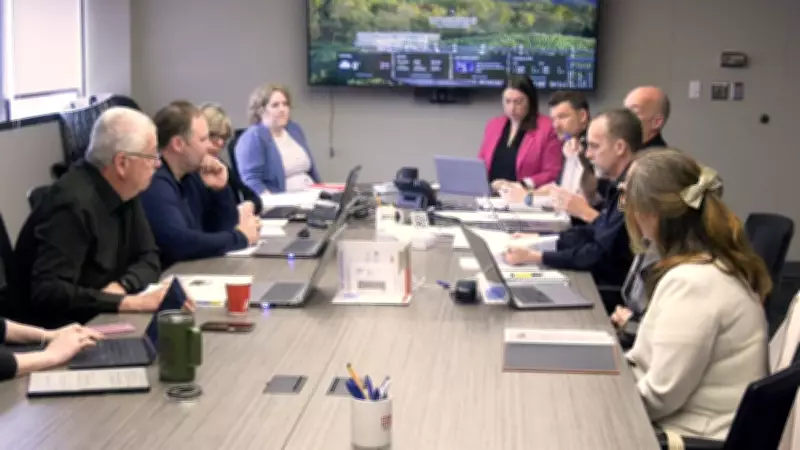
Currently, North Bay Police Board meetings are held in person, with limited options for remote participation. Advocates argue that this excludes many community members, including those with mobility issues, work commitments, or caregiving responsibilities. Livestreaming would allow real-time viewing via platforms like YouTube or municipal websites, with recordings archived for later access.
The proposal aligns with a broader trend across Ontario municipalities adopting digital tools to enhance civic engagement. Similar initiatives in other cities have reported increased public interest and participation in police oversight matters.
Potential Benefits and Challenges
Proponents highlight several advantages:
- Enhanced Accessibility: Residents can watch meetings from anywhere, removing geographical and logistical barriers.
- Improved Accountability: Public scrutiny may encourage more thorough discussions and decision-making by board members.
- Educational Value: Livestreams serve as a resource for students, journalists, and researchers interested in local governance.
However, some concerns have been raised, including the cost of implementing streaming technology and ensuring discussions involving sensitive information, such as personnel matters or ongoing investigations, are appropriately handled in closed sessions.
Next Steps and Community Response
The North Bay Police Board is expected to review the proposal in upcoming meetings. Advocates plan to present a petition and gather community support to underscore the demand for this change. Public feedback has been largely positive, with many residents expressing enthusiasm for more open governance.
"In today's digital age, livestreaming public meetings should be standard practice," said one local resident. "It's a simple step that can make a big difference in how connected we feel to our police force."
As the discussion progresses, North Bay joins a growing list of communities reevaluating how public institutions can leverage technology to serve citizens better and uphold democratic principles of transparency and inclusion.