A Kitchener city councillor has put forward a formal motion calling on the Region of Waterloo to provide financial reimbursement to Cambridge residents for costs associated with the Ion light rail transit (LRT) system. The motion is now set to proceed to regional council for consideration and debate.
The Core of the Motion
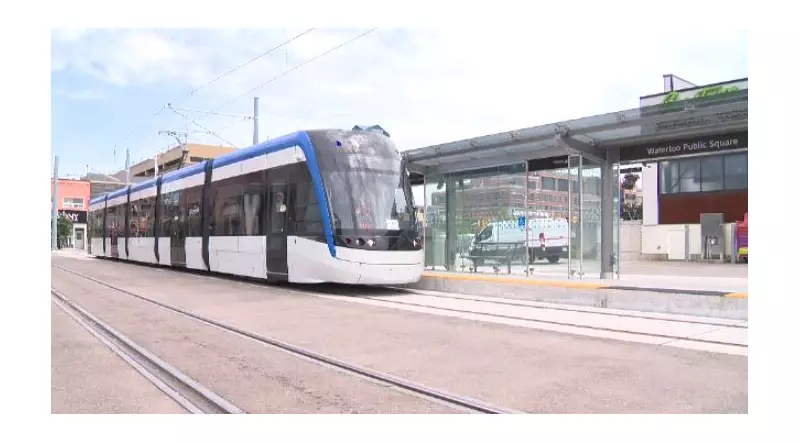
The motion, introduced by Kitchener Councillor Heather Senoran, directly addresses a long-standing point of contention. While the Ion LRT line currently serves Kitchener and Waterloo, Cambridge residents have been paying regional taxes that contribute to the system's funding without receiving direct service. The motion argues that these residents should be compensated for their financial contributions until the planned Cambridge extension of the LRT is completed and operational.
The proposal was formally submitted on December 15, 2025. It seeks to create a mechanism, such as a rebate or credit, to return a portion of the regional tax allocation that funds the LRT back to Cambridge households and businesses. This move highlights the ongoing regional discussions about equity and fair distribution of costs for major infrastructure projects that are built in phases.

Context and Regional Dynamics
The Region of Waterloo's LRT project has been a transformative but costly undertaking for the tri-cities. The initial stage connecting Kitchener and Waterloo represented a massive investment, funded in part by all regional taxpayers. The extension into Cambridge has faced delays and funding challenges, leaving its residents in a position of paying for a service they cannot yet use.
Councillor Senoran's motion brings this fiscal grievance to the forefront of regional politics. It frames the request not as opposition to the LRT itself, but as a matter of taxation fairness for Cambridge citizens who are effectively subsidizing transit service in the northern twin cities. The motion will require regional councillors to take a definitive stance on whether this cross-subsidization during the construction phase warrants corrective financial action.
Next Steps and Potential Implications
The motion's journey to regional council sets the stage for a significant debate on inter-municipal finance and project phasing. Council members will need to weigh the precedent-setting nature of such a reimbursement against the principles of regional cooperation and long-term infrastructure planning.
If approved, the motion could establish a new framework for how multi-phase regional projects are funded, potentially affecting future developments beyond transit. It also adds pressure to accelerate planning and secure funding for the Cambridge LRT extension to resolve the underlying issue. The council's decision will be closely watched by residents across all three cities as a indicator of regional solidarity and fiscal policy.