

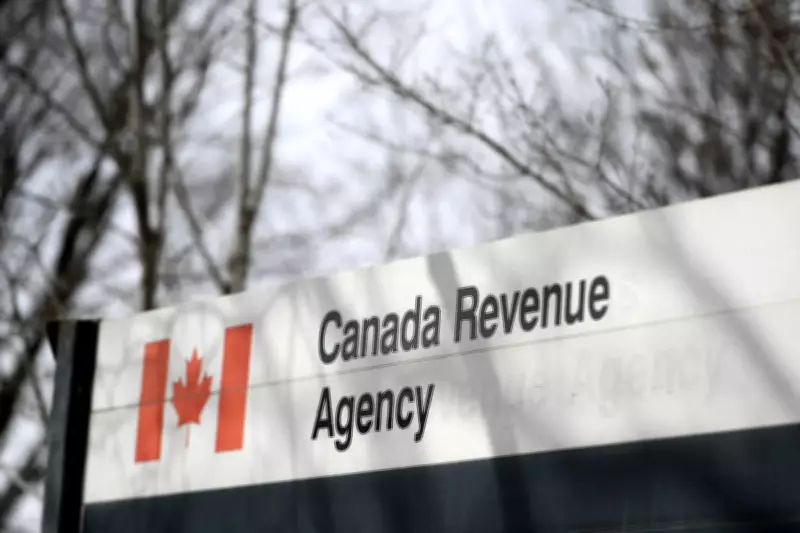
Canadians Express Frustration as CRA Claws Back Pandemic Support Money
Many Canadians are experiencing significant financial strain and frustration as the Canada Revenue Agency (CRA) actively recovers funds distributed through various pandemic support programs. This process, which involves clawing back payments from individuals who received benefits like the Canada Emergency Response Benefit (CERB) and the Canada Recovery Benefit (CRB), has left numerous households grappling with unexpected debts during a period of ongoing economic uncertainty.
Widespread Financial Distress Emerges
The CRA's efforts to reclaim pandemic aid have sparked a wave of concern across the country. Recipients who relied on these benefits to cover essential expenses during lockdowns and business closures are now receiving notices demanding repayment, often with added interest and penalties. This situation has created a paradoxical hardship, where support intended as a lifeline is now contributing to financial instability for many families and individuals.
Experts note that the complexity of the application processes and evolving eligibility criteria during the pandemic have led to confusion. Some Canadians may have received payments in good faith, only to later be deemed ineligible based on retrospective assessments. The lack of clear communication and the sudden nature of these repayment demands have exacerbated public frustration, with many feeling penalized for accessing government assistance during a national crisis.

Systemic Challenges and Public Response
The clawback initiative underscores broader systemic issues within Canada's emergency response frameworks. While the programs were launched rapidly to address urgent needs, the subsequent verification and recovery phases have revealed gaps in administrative coordination and taxpayer support. Advocacy groups are calling for more compassionate approaches, such as extended repayment plans, waivers for low-income individuals, or clearer avenues for dispute resolution.
Public reaction has been vocal on social media and through community organizations, with many sharing stories of financial duress. The sentiment reflects a growing anxiety about economic recovery, as inflation, rising living costs, and stagnant wages continue to pressure household budgets. The CRA's actions, while framed as necessary for fiscal responsibility, are perceived by some as counterproductive to national recovery efforts.
Looking Ahead: Implications for Policy and Trust
This situation may influence future policy design, highlighting the need for balance between swift aid delivery and robust oversight. Lawmakers and agencies might consider implementing more forgiving repayment structures or enhanced support services for those affected. The experience also raises questions about public trust in government institutions, as citizens navigate the aftermath of unprecedented support measures.
As the CRA continues its recovery operations, the financial and emotional toll on Canadians remains a pressing issue. The ongoing dialogue between taxpayers, advocacy groups, and government bodies will be crucial in shaping a fair and effective resolution, ensuring that pandemic recovery does not come at the cost of deepening personal financial crises.






