Montreal Metro Sees Significant Increase in Reported Assaults
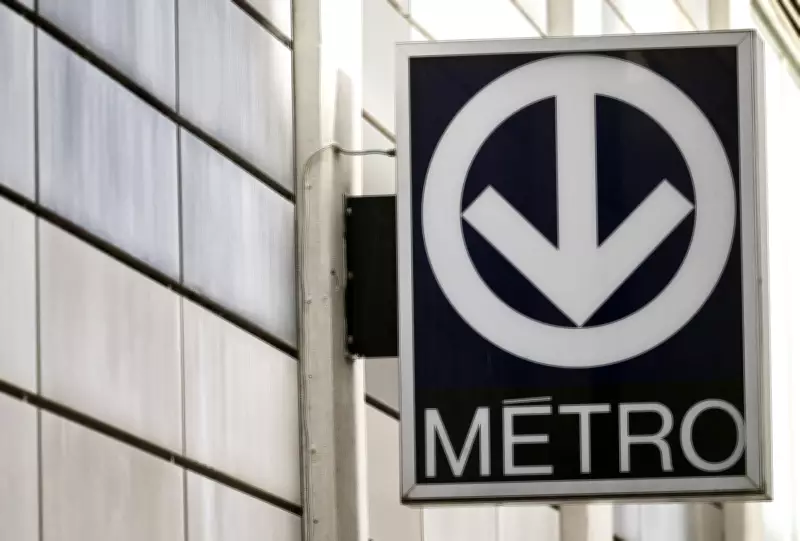
Reported assaults within Montreal's metro system have risen sharply, with official data showing a 15 percent increase over the past year. The total number of assaults reached 726, marking a concerning escalation in incidents across the city's extensive underground transit network. This statistical jump represents one of the most notable year-over-year increases in recent memory for the Société de transport de Montréal (STM) system.
Analyzing the Disturbing Trend
The precise factors driving this surge remain under investigation by authorities, but the numbers paint a clear picture of growing safety challenges. Public transit systems globally have faced similar issues post-pandemic, with Montreal now joining other major cities in grappling with increased reports of violence and harassment in confined transit spaces. The 726 reported incidents encompass a range of assault types, from physical altercations to threatening behavior, though detailed breakdowns by severity have not been fully disclosed.
Transit officials and law enforcement are emphasizing coordinated responses, including enhanced surveillance and patrol initiatives. Community advocates have long called for improved lighting, increased staff presence, and better emergency communication systems throughout the metro's stations and tunnels. The timing of incidents appears to correlate with peak commuting hours, suggesting that crowded conditions may be a contributing factor to some conflicts.

Broader Context and Comparative Data
While Montreal's increase is significant, it mirrors patterns observed in other urban centers where public transit usage has rebounded. Comparative data from previous years shows that assault reports had remained relatively stable before this recent spike. The STM has historically implemented various safety campaigns and technological upgrades, but the latest figures indicate these measures may require reinforcement or adaptation.
Local residents and daily commuters have expressed heightened concerns, with many calling for more visible security personnel and faster emergency response protocols. The psychological impact of such statistics cannot be understated, as fear of victimization can deter public transit use, affecting mobility and urban vitality. Economic repercussions are also possible if the perception of unsafe transit persists.
Moving Forward: Proposed Solutions and Community Impact
Addressing this issue requires a multifaceted approach. Potential strategies under discussion include:
- Expanding the network of security cameras and integrating real-time monitoring systems
- Increasing the frequency of police and security patrols, especially during evening and late-night hours
- Launching public awareness campaigns to educate riders on safety resources and reporting mechanisms
- Collaborating with social services to address underlying issues that may contribute to transit violence
The 15 percent rise serves as a critical reminder that transit safety is an evolving challenge requiring continuous investment and innovation. As Montreal moves forward, balancing accessibility with security will be paramount to maintaining the metro's role as a backbone of the city's transportation infrastructure.