Montreal Inspector General Scrutinizes Pothole Repair Contracts Amid Competition Concerns
As Montreal confronts deteriorating road conditions, the city's inspector general has announced increased oversight of how pothole repair contracts are awarded. This development follows the release of the inspector general's annual report, which raises significant concerns about restricted competition in the contracting process.
Restricted Competition in Pothole Repair Contracts
The inspector general's report, published on Monday, reveals that Montreal has been "restricting competition" in awarding pothole repair contracts. Since 2015, the city has mandated specific technology for mechanical pothole repairs, creating a situation where "only one company had the necessary machinery to perform the work as required and was able to submit a compliant bid."
This technological requirement has effectively limited the pool of qualified bidders, raising questions about the fairness and competitiveness of Montreal's contracting process. The Bureau de l'inspecteur général (BIG), as the office is known by its French acronym, has committed to monitoring future calls for tenders in 2026 and producing a status report on this ongoing issue.

Emergency Measures and Contract Changes
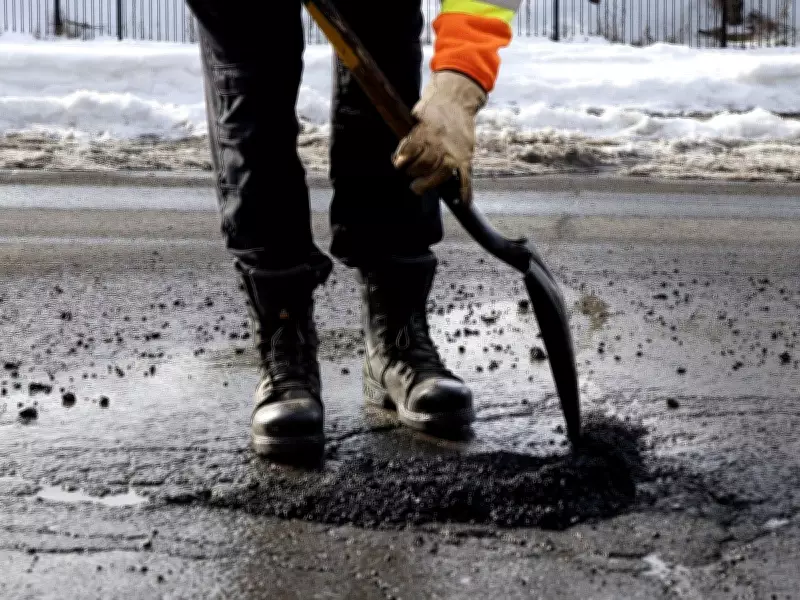
The scrutiny comes at a critical time for Montreal's infrastructure. The city experienced a record number of potholes this winter and anticipates worsening conditions during the spring thaw. Compounding the problem, Montreal's usual contract for mechanical pothole repairs expired in December without being renewed.
According to city officials, two calls for tenders for the mechanical repair contract failed to attract bidders meeting the established criteria. In response, the city awarded 10 privately negotiated contracts for companies to repair potholes manually as street conditions deteriorated throughout the winter months.
These emergency contracts enabled the city to patch approximately 15,000 potholes, providing temporary relief while longer-term solutions are developed.
City's Response and Future Plans
Mayor Soraya Martinez Ferrada addressed the inspector general's findings on Monday, acknowledging the need for improvement while highlighting recent successes. "There is real work to be done," Martinez Ferrada stated. "(But) one thing is certain: we want to ensure that more people bid on contracts, which leads to greater competition and, as a result, lower prices."
The mayor pointed to the awarding of the 10 smaller pothole contracts as evidence of progress in expanding contractor participation.
Executive committee chair Claude Pinard announced additional measures to address the pothole crisis, including:
- Purchasing two additional automated pothole-repair machines to supplement the city's current fleet of four, with the new equipment expected to be operational by 2027
- Creating two new teams of blue-collar workers dedicated specifically to road maintenance on Montreal's main streets
Pinard explained that these teams will help the city better understand pothole issues, predict costs more accurately, and avoid unsuccessful calls for tenders in the future.
Background and Context
The Inspector General's Office was established in 2014 with a mandate to detect wrongdoing and ensure the integrity of Montreal's contract-awarding processes. The current focus on pothole repair contracts represents a significant aspect of this oversight role, particularly given the pressing nature of Montreal's road maintenance challenges.
As the city continues to grapple with infrastructure deterioration, the inspector general's monitoring of pothole contract awards will likely remain a point of public interest and governmental accountability. The promised 2026 status report on this issue will provide further insight into whether Montreal succeeds in creating more competitive bidding processes for essential municipal services.