Montreal's Infrastructure Crisis: A City in Disrepair
This winter, Montreal residents are confronting a stark reality of crumbling infrastructure that transcends mere inconvenience, evolving into a public safety hazard. From treacherous potholes littering the streets to dangerous power outages, the effects of years of deferred maintenance are becoming painfully evident across the city.
The Pothole Pandemic
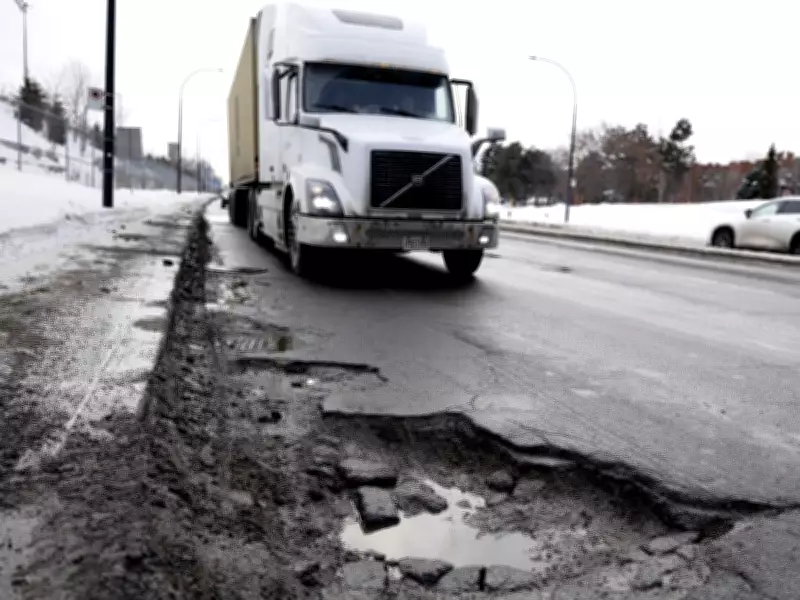
Montreal's notorious potholes have reached unprecedented levels this season, with over 4,200 complaints registered through the city's 311 service—a record number that underscores the severity of the situation. These roadway crevices are causing significant damage to vehicles, with repair costs mounting for countless drivers navigating the city's pockmarked pavement.
Even Montreal Mayor Soraya Martinez Ferrada experienced the infrastructure failure firsthand when she hit a massive pothole on Notre-Dame Street East, blowing two tires on her vehicle. The mayor documented the incident, sharing a video of her car being towed to demonstrate solidarity with frustrated residents. In subsequent interviews, Martinez Ferrada described driving conditions as not merely difficult but "dangerous", particularly during nighttime hours.

The city's response capability has been hampered by administrative challenges. The contract with the company responsible for pothole repairs expired on December 31, and a new tender process was cancelled. Compounding the problem, two of the city's own pothole-patching machines are currently out of service, leaving residents with few immediate solutions as winter conditions persist.
Beyond the Roads: Systemic Infrastructure Failures
While potholes represent the most visible manifestation of Montreal's infrastructure decay, they are merely one component of a broader systemic crisis affecting multiple essential services throughout the city.
Power Grid Vulnerabilities
Aging electrical infrastructure contributed to a catastrophic blackout during the coldest weekend of the year when a transformer failed at Hydro-Québec's Hampstead substation. The outage plunged 15,000 residents across Côte-des-Neiges—Notre-Dame-de-Grâce, Côte-St-Luc, and Montreal West into darkness and freezing temperatures.
The human toll of this infrastructure failure has been devastating. The coroner's office is investigating whether two deaths were related to the prolonged power outage. A 66-year-old woman was found deceased in her Montreal West home during wellness checks, while an 87-year-old woman transported to hospital from N.D.G. succumbed with a core body temperature of just 22°C. Many residents also faced frozen and burst pipes that flooded their homes during the outage.
Healthcare Infrastructure Deficiencies
Montreal's healthcare facilities are similarly affected by infrastructure neglect. At the Douglas Mental Health University Institute, burst pipes in a research wing caused water to cascade onto expensive medical equipment, compromising sensitive research operations. Planned renovations for this century-old facility have been repeatedly postponed.
The Maisonneuve-Rosemont Hospital has been plagued by numerous deficiencies stemming from deferred maintenance. Staff and patients regularly contend with power failures during surgeries, stalled elevators, leaking pipes, faulty air conditioning systems, and windows that refuse to close properly. One patient even reported being asked to pay for a private room where the window blew open during a snowstorm while she was giving birth.
The Root Cause: Deferred Maintenance Backlog
The common thread connecting Montreal's diverse infrastructure failures is deferred maintenance—the practice of postponing necessary repairs and upkeep to save immediate costs, which ultimately leads to more expensive and dangerous problems.
This maintenance backlog has grown so substantial that despite significant annual investments and ubiquitous construction zones marked by orange cones, the city consistently fails to catch up with necessary repairs. The problem extends across multiple infrastructure categories:

- Deteriorating schools requiring renovations
- Aging water mains prone to bursting under climate change-induced heavy rains
- Crumbling bridges like the Champlain and Île-aux-Tourtes requiring emergency stabilization
- Even new infrastructure like the REM transit line experiencing frequent service disruptions
Some engineering experts now suggest Quebec should prioritize repairing and maintaining existing infrastructure over investing in new projects, given the scale of the maintenance deficit.
Accountability and Expectations
Quebec residents pay among the highest taxes in North America, yet Montrealers have grown accustomed to substandard infrastructure that fails to meet basic functionality standards. As Mayor Martinez Ferrada's personal experience demonstrates, no one is immune from the consequences of this systemic neglect.
While weather and geography present challenges for any northern city, Montreal's infrastructure problems appear particularly acute. The city's unique combination of aging systems, deferred maintenance, and administrative delays creates a perfect storm of infrastructure failure that affects transportation, healthcare, utilities, and public safety.
The current crisis has elevated infrastructure from a background concern to an urgent priority requiring immediate attention and accountability from all levels of government. As Montreal residents navigate hazardous roads, endure power outages, and receive healthcare in deteriorating facilities, the demand for functional infrastructure has never been more pressing.