Montreal's N.D.G. Borough Approves Paid Parking on Sherbrooke Street by Summer 2026
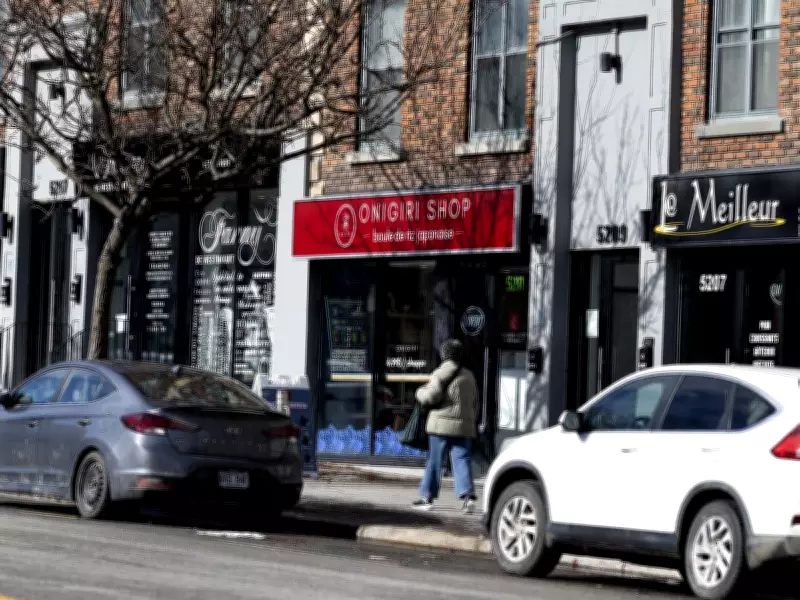
In a significant move for urban management, the Côte-des-Neiges—Notre-Dame-de-Grâce borough council in Montreal has voted to install parking meters along a stretch of Sherbrooke Street. The decision, made late Monday evening, will eliminate free parking on Sherbrooke between Grand Boulevard and the borough's boundary with Westmount, as well as on intersecting streets. This change is scheduled to be implemented by summer 2026, marking a shift in the area's parking policies.
Split Vote and Dissenting Opinion
The council's vote was largely in favor, with only one dissenting voice: Projet Montréal Councillor Peter McQueen, whose district will be directly affected by the new meters. All Ensemble Montréal councillors, who control the borough administration, supported the plan, along with Projet Councillor Émilie Brière. McQueen expressed concerns, noting that the plan exclusively targets his district and questioning the necessity of such extensive meter installation.
"I don't know why the entirety of the district where they're considering parking meters is just my district," McQueen said ahead of the vote. He argued that paid parking should be reserved for areas with scarce spots, which he believes is not the case along much of Sherbrooke Street.

Details of the Parking Meter Plan
The plan encompasses approximately 200 parking spots on Sherbrooke Street and 247 spaces on intersecting streets, according to a borough press release. Currently, parking is already paid between Hampton and Wilson Avenues, but remains free elsewhere. The new meters aim to address issues of all-day parking despite existing one-hour limits, which borough officials say strain enforcement resources.
Interim borough mayor Sonny Moroz, an Ensemble Councillor, defended the decision, emphasizing its benefits for local businesses and revenue generation. "Right now, there are people who are parking on the street all day," Moroz explained. "We don't have the capacity to come by every hour to ensure that drivers are only there for an hour."
Revenue and Community Impact
Moroz highlighted that the borough retains 65 percent of revenue from parking meters within its boundaries, promising reinvestment into Sherbrooke Street. "When we get those revenues starting to come in, I am promising you, very clearly, out loud in public, that the money will be reinvested in and on Sherbrooke," he stated. This revenue is intended to support businesses lining the artery and improve overall conditions.
However, the plan has faced criticism from merchants along Sherbrooke, who fear it could deter customers. Additionally, Councillor Brière, while supporting paid parking, criticized the administration for lacking a clear and predictable strategy across all borough districts.
Historical Context and Future Steps
Civil servants have been studying parking issues since 2012, with previous discussions during the Projet administration. McQueen had previously opposed similar plans, and on Sunday, he told The Gazette that he had argued against them in the past. Moroz responded to criticisms by noting the lengthy deliberation process and assuring residents of positive outcomes.
"This is a decision that has taken its time to get to the decision-making table," Moroz told a resident. "I believe that you'll see a positive improvement on the artery for businesses and in very short order, all the residents will see the benefit."
The borough plans to take a sector-by-sector approach to parking management, with installations expected before summer 2026. This move reflects ongoing efforts to balance urban development, business needs, and community concerns in Montreal's evolving landscape.