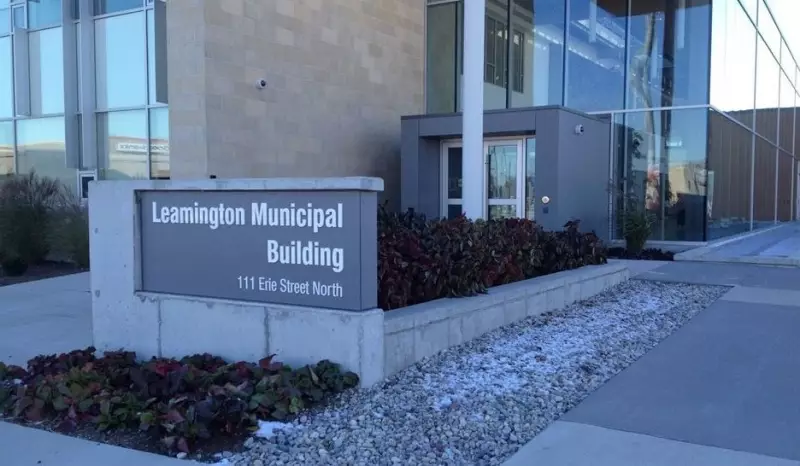
The Municipality of Leamington has taken a significant step to reform how it handles local rule infractions. Council has approved a new system that will move the resolution of bylaw disputes away from the provincial court system. The decision, made on January 15, 2026, aims to create a more streamlined and accessible process for residents and the municipality alike.
Shifting Away from the Traditional Courtroom
Under the previous framework, bylaw disputes—which can range from property standard issues and noise complaints to zoning and animal control matters—often required a formal hearing in a provincial offences court. This process could be time-consuming, costly, and intimidating for some residents. The newly approved model establishes an alternative dispute resolution mechanism designed to be more efficient and less adversarial.
While the specific administrative body or officer who will oversee these disputes has not been detailed in the initial announcement, the core principle is clear: to resolve conflicts over municipal bylaws through a dedicated, local process before they escalate to the court level. This approach is expected to free up valuable court resources while providing faster outcomes for all parties involved.

Potential Benefits and Implementation
The move is seen as a proactive measure to improve municipal service delivery. Proponents argue that an out-of-court system can reduce backlog, lower legal costs for both the town and residents, and foster more collaborative solutions. For instance, a dispute over a property maintenance bylaw could be resolved through a mediated agreement on a cleanup timeline, rather than through a fine imposed by a justice of the peace.
The implementation details, including the training of municipal staff or the appointment of a hearing officer, are likely to be finalized in the coming months. The change reflects a growing trend among municipalities seeking more flexible and responsive ways to enforce local regulations while maintaining community standards.
A Focus on Local Solutions
This policy shift underscores Leamington's commitment to handling local issues with local solutions. By internalizing the dispute process, the municipality gains greater control over the timeline and tone of enforcement actions. Residents, in turn, may find a process that is less formal and more focused on achieving compliance and understanding rather than solely on punishment.
The approval of this new system marks a notable evolution in Leamington's governance. It represents a practical effort to make municipal government more accessible and effective for its citizens, potentially setting a precedent for other towns and cities in the region considering similar reforms to their bylaw enforcement practices.