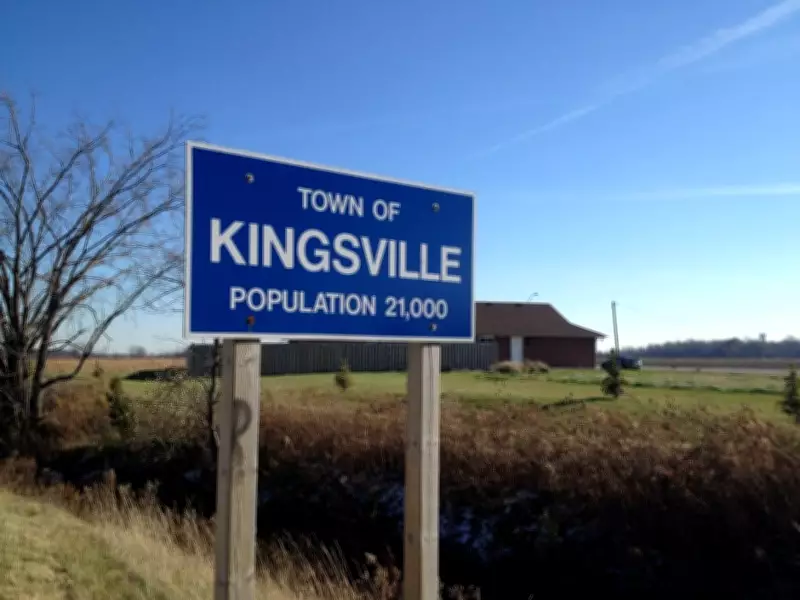
Kingsville Council to Consider Bylaw Targeting False Security Alarms
In a move to address the growing issue of false security alarms, the Kingsville municipal council is preparing to debate a new bylaw aimed at reducing these incidents. The proposed legislation seeks to mitigate the strain on emergency services and conserve public resources that are often wasted responding to non-emergency calls.
Strain on Emergency Services
False alarms have become a significant concern for Kingsville's emergency responders, including police and fire departments. These incidents divert critical personnel and equipment away from genuine emergencies, potentially delaying response times for life-threatening situations. The bylaw aims to implement measures that encourage alarm system owners to maintain their equipment properly and use it responsibly.
Proposed Bylaw Details
The specifics of the bylaw are expected to include provisions for fines or penalties for repeated false alarms, as well as requirements for alarm system registration and verification processes. This approach is designed to hold property owners accountable and reduce the frequency of unnecessary emergency dispatches. Similar bylaws have been successfully implemented in other municipalities, leading to a notable decrease in false alarm rates.

Community Impact and Support
Local residents and business owners have expressed mixed reactions to the proposed bylaw. While some support the initiative as a necessary step to ensure efficient use of emergency services, others are concerned about potential costs and administrative burdens. The council plans to hold public consultations to gather feedback and refine the bylaw before any final decisions are made.
Broader Context
False security alarms are not unique to Kingsville; they are a widespread issue across many communities in Ontario and beyond. By addressing this problem proactively, Kingsville hopes to set a precedent for other municipalities grappling with similar challenges. The council's consideration of this bylaw reflects a broader trend toward optimizing public safety resources and enhancing community resilience.
As the debate unfolds, stakeholders will be closely watching the council's deliberations, which could have lasting implications for how security systems are regulated in the region. The outcome of this process may serve as a model for balancing public safety needs with practical considerations for alarm system users.