Ottawa's Snow Disposal Sites: Where Winter's White Burden Ends Up
As Ottawa residents navigate another snowy winter, a common question arises: where does all that snow go after it's plowed from streets and sidewalks? The answer lies in the city's carefully managed snow disposal sites, where mountains of winter precipitation are processed with surprising efficiency.
The Clyde Avenue Snow Facility: A Winter Operations Hub
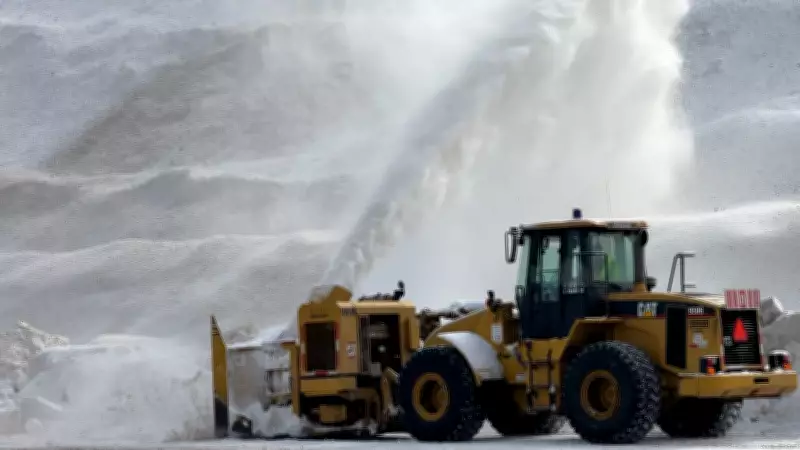
One of Ottawa's primary snow disposal locations is the Clyde Avenue facility, where snow removal vehicles continuously add to growing piles throughout the winter season. This site represents just one part of Ottawa's comprehensive winter management strategy, which must handle the significant snowfall that blankets the nation's capital each year.
The process begins when municipal crews clear roads and public spaces, transporting the collected snow to designated disposal sites. At these locations, the snow undergoes careful management to minimize environmental impact while maximizing space efficiency. The Clyde Avenue facility, like others across the city, operates as a temporary holding area where snow can melt naturally or be processed through specialized equipment.

Environmental Considerations in Snow Management
Ottawa's approach to snow disposal involves several important environmental considerations:
- Contaminant filtration: As snow melts, any road salt, sand, or vehicle fluids must be properly filtered before water enters the municipal drainage system
- Site selection: Disposal locations are chosen to minimize impact on surrounding ecosystems and residential areas
- Seasonal planning: The city must anticipate snow accumulation throughout winter months, ensuring adequate capacity at disposal sites
- Water management: Meltwater from snow piles requires careful handling to prevent flooding and contamination
These environmental protections represent a significant evolution from earlier snow disposal practices, reflecting Ottawa's commitment to sustainable municipal operations.
The Logistics of Large-Scale Snow Removal
Managing Ottawa's winter snow requires substantial logistical planning and resource allocation. The city operates a fleet of specialized vehicles that work around the clock during significant snowfall events, transporting snow to disposal sites while maintaining essential road access for emergency services and daily commuters.
The snow disposal process involves more than simply piling snow in vacant lots. Municipal workers must:
- Monitor snow accumulation at disposal sites to prevent overcapacity
- Coordinate with weather services to anticipate upcoming snowfall
- Manage traffic flow around active disposal operations
- Implement erosion control measures at disposal sites
- Conduct regular environmental monitoring of meltwater quality
This comprehensive approach ensures that Ottawa can handle even the heaviest winter storms while protecting both public infrastructure and natural environments.
Winter Operations and Community Impact
For Ottawa residents, the snow disposal system represents an often-unseen aspect of winter life in the capital. While most people notice plowed streets and cleared sidewalks, few consider the final destination of all that removed snow. The city's disposal sites operate quietly in the background, processing thousands of truckloads of snow each season.
The efficiency of these operations directly impacts daily life during Ottawa winters. Effective snow disposal means clearer roads, safer pedestrian pathways, and reduced flooding risks during spring thaws. It also represents a significant municipal investment, with snow removal and disposal consuming substantial portions of the city's winter operations budget.
As climate patterns evolve and winter weather becomes increasingly unpredictable, Ottawa's snow management strategies continue to adapt. The city regularly reviews and updates its disposal protocols, incorporating new technologies and environmental best practices to ensure that winter's white burden is handled responsibly and efficiently for years to come.