Edmonton City Council to Examine Snow-Clearing Budget and Explore Enhanced Winter Response Capacity
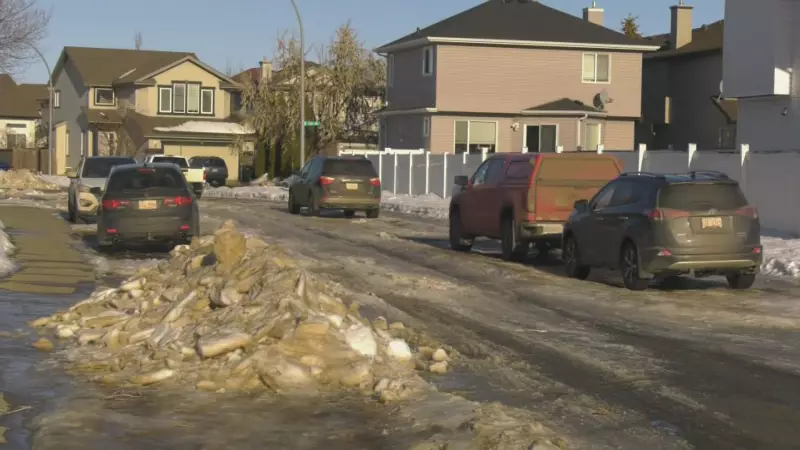
Edmonton's city council is preparing to debate the municipal snow and ice control budget this coming summer, with at least one councillor advocating for the exploration of surge capacity measures to avoid a repeat of the service disruptions experienced last month. The discussion comes in response to significant challenges faced during recent winter storms, which highlighted potential gaps in the city's ability to respond effectively to extreme weather events.
Budget Discussions and Service Improvements
The upcoming budget debate will focus on allocating resources for snow and ice management across Edmonton's extensive road network. Councillors are expected to review current spending levels and consider adjustments that could enhance winter maintenance operations. The push for surge capacity represents a proactive approach to winter preparedness, aiming to ensure that the city can scale up its response when faced with particularly severe snowfall or ice accumulation.
This initiative follows widespread public concern about road conditions during recent winter months, when many residents reported difficulties with transportation and accessibility. The proposed surge capacity would allow the city to deploy additional equipment and personnel during peak demand periods, potentially reducing the duration of service disruptions.

Broader Context of Municipal Winter Management
Edmonton's examination of its snow-clearing operations occurs within a broader national conversation about municipal infrastructure and climate resilience. Many Canadian cities face similar challenges as winter weather patterns become increasingly unpredictable. The Edmonton discussion reflects growing recognition that traditional approaches to winter maintenance may need adaptation to meet contemporary demands.
The summer timing of the budget debate allows for thorough analysis before the next winter season, giving council members opportunity to consider various options for service enhancement. This includes potential investments in new equipment, revised operational protocols, and strategic partnerships that could improve response capabilities during extreme weather events.
As Edmonton moves forward with these discussions, residents can expect continued attention to how municipal services adapt to winter challenges. The outcome of the budget debate will likely influence not only snow-clearing operations but also broader conversations about infrastructure investment and climate adaptation in urban environments.