Edmonton Snow Removal Complaints Triple as City Fields Over 30,000 Calls
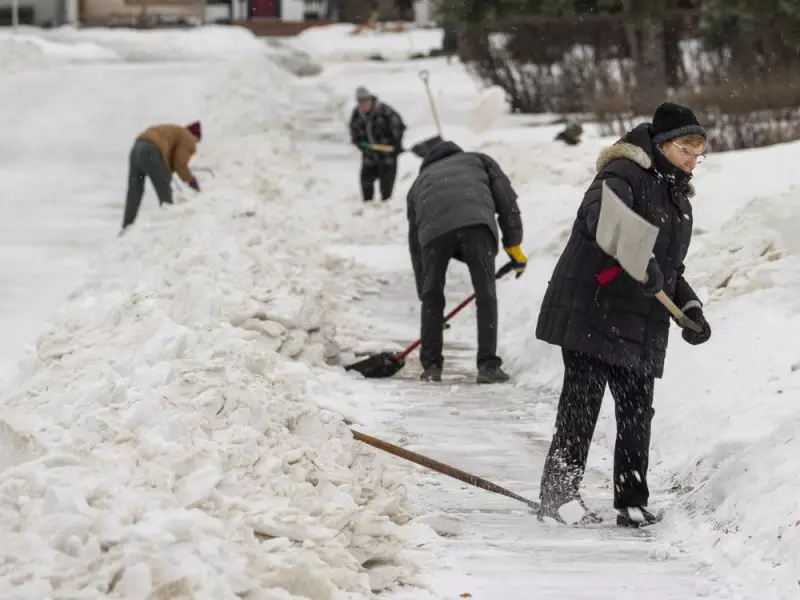
Frustration over snow clearing operations in Edmonton has reached unprecedented levels this winter, with city officials reporting a dramatic surge in resident complaints and inquiries. According to data released by municipal authorities, the 311 service line has been inundated with calls related to winter maintenance, painting a picture of widespread dissatisfaction with current snow removal practices.
Staggering Call Volume Reveals Deep-Seated Issues
Between December 1 and January 21, Edmonton's 311 service fielded an astonishing 33,350 calls specifically related to snow removal concerns. This represents a nearly threefold increase compared to the same period last year, when the city received just 11,314 snow-related calls. The breakdown of this year's volume reveals multiple pain points for residents:
- Over 15,000 calls were direct requests for snow clearing services
- Approximately 7,000 inquiries focused on understanding snow removal bylaws and regulations
- More than 6,000 complaints specifically addressed windrows - the piles of snow left behind after plowing operations
Mayor Andrew Knack acknowledged the growing discontent among Edmontonians, stating, "I'm still hearing from people who haven't had their neighbourhood bladed yet. I'm also hearing from some who are a little frustrated with the large windrows that have been left behind." The mayor emphasized that while frustration is understandable, residents should remain patient with city workers who are "working tirelessly day in and day out" on snow removal efforts.

Safety Concerns and Enforcement Challenges
City officials reported significant challenges in maintaining safe working conditions for snow removal crews. Val Dacyk, snow and ice control program supervisor, revealed that the city has issued 3,402 tickets and 176 warnings for parking ban violations during the current winter season. Despite these enforcement measures, plow drivers continue to encounter "unacceptable behaviour" from some motorists.
"For the safety of our crews and the public, drivers must not pass a snowplow when the view is obstructed, when passing would impede the operation of the snowplow, or when the driver cannot pass safely," Dacyk emphasized. She did note that compliance with Phase 2 parking bans has been improving, with the city expressing gratitude to the majority of residents who have cooperated by moving their vehicles.
Progress Report and Future Considerations
Despite the overwhelming volume of complaints, city officials reported substantial progress in clearing operations. Dacyk confirmed that 94 percent of residential roadways have been cleared, with expectations that the Phase 2 parking ban would be lifted by the end of the week. The city faces particular challenges in approximately 3,000 cul-de-sacs, where only those identified as having "heavy parking or access issues" receive special notification through large yellow "no parking" signs.
Looking toward the future, Mayor Knack revealed plans to thoroughly review Edmonton's snow removal program as part of upcoming budget deliberations. Among the potential changes under consideration are:
- Completing main roads and residential streets simultaneously rather than sequentially
- Transitioning from blading snow to removing it entirely from streets
- Implementing more comprehensive parking bans similar to those used in Montreal
"Montreal has a substantially higher population density than we do and has full parking bans," Knack noted. "They've found that they've been able to make that work. I think we need to explore the idea of actually removing the snow. That way, you help prevent that from being a concern after the work is done."
The dramatic increase in snow removal complaints highlights the ongoing challenges Edmonton faces as a winter city, with officials now contemplating fundamental changes to how the municipality approaches one of its most essential seasonal services.