South Edmonton Community League Confronts Existential Threat from Volunteer Crisis
The vibrant heart of a south Edmonton neighborhood is beating faintly, with the King Edward Park community league facing a dire situation that could lead to its permanent closure. This essential local institution, which serves as a hub for social connection, recreational activities, and neighborhood cohesion, is critically undermanned and struggling to maintain operations.
A Looming Deadline for Community Survival
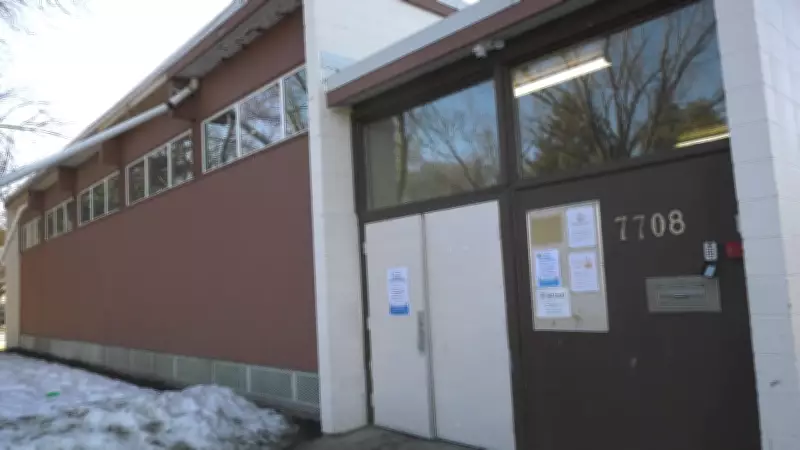
Community leaders have issued an urgent plea for more volunteers to come forward, emphasizing that without immediate reinforcements, the league will be unable to sustain its programs and facilities. The community hall, a focal point for residents since its establishment, requires consistent staffing and management to remain open and functional for events, meetings, and gatherings that define neighborhood life.
The current volunteer team is stretched dangerously thin, attempting to cover multiple roles and responsibilities that typically require a much larger dedicated group. This shortage has already led to reduced hours, canceled events, and limited access to the hall, diminishing the quality of community services that residents have come to rely upon.

The Broader Impact on Neighborhood Dynamics
Community leagues play an indispensable role in urban neighborhoods across Canada, particularly in cities like Edmonton where they foster social bonds and provide accessible recreational opportunities. The potential loss of the King Edward Park league would represent more than just the closure of a building—it would mean the disappearance of a crucial social infrastructure that helps combat isolation and builds resilient communities.
Residents who have benefited from the league's programs express deep concern about what its absence would mean for neighborhood vitality. From youth sports and cultural events to senior gatherings and community meetings, the hall serves as the physical manifestation of community spirit in south Edmonton.
The Volunteer Recruitment Challenge in Modern Urban Life
This crisis reflects broader trends affecting volunteer-based organizations across the country. Several factors contribute to the recruitment difficulties:
- Changing work patterns and increased time pressures on families
- Demographic shifts in neighborhood composition
- Competition for volunteer attention from numerous worthy causes
- The lingering effects of pandemic-era social disruption on community engagement
Community organizers emphasize that even small commitments can make a significant difference, with opportunities ranging from occasional event assistance to regular administrative support. They're particularly hoping to attract younger residents who can bring fresh energy and perspectives to the league's operations.
A Call to Action for South Edmonton Residents
As the situation grows increasingly urgent, community leaders are implementing several strategies to attract volunteers:
- Clear communication about the specific roles and time commitments needed
- Flexible scheduling options to accommodate various availability
- Skill development opportunities for those who volunteer
- Enhanced recognition programs to acknowledge volunteer contributions
The coming weeks will prove decisive for the future of this community institution. Without a substantial increase in volunteer participation, Edmonton may lose another piece of its social fabric, leaving residents without the gathering space and programming that has strengthened neighborhood bonds for generations.
This situation serves as a reminder of the fragile nature of community infrastructure that relies on citizen participation. As urban centers continue to evolve, maintaining these vital spaces requires ongoing commitment from residents who value the connections and opportunities they provide.