In a concerning trend, Calgary City Council is increasingly demonstrating a willingness to repeal difficult regulations and bylaws without dedicating equivalent effort to developing and implementing improved replacements. This pattern, which initially affected larger-scale municipal projects, has now trickled down to impact community-level issues that directly affect residents' daily lives and safety.
The Foxtail Barley Dilemma: A Case Study in Municipal Governance
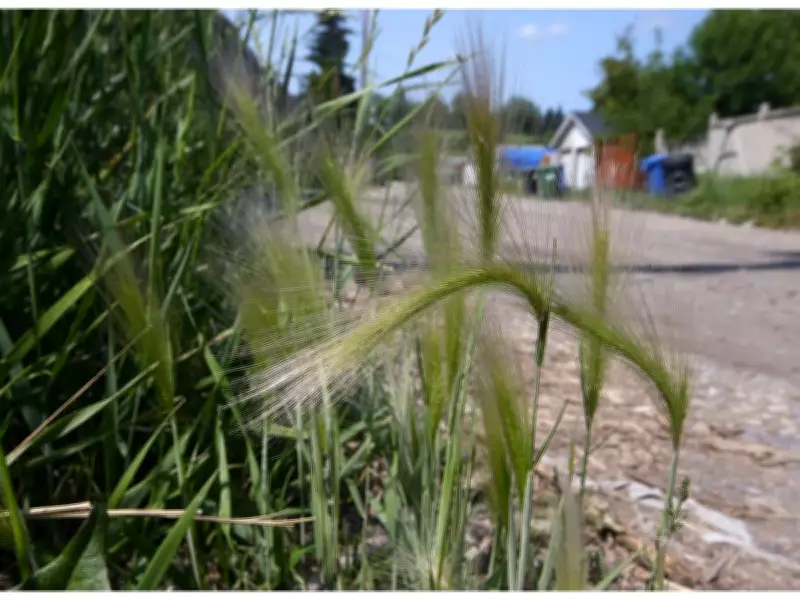
Foxtail barley represents precisely the type of complex urban challenge that municipal governments are elected to address. As a native plant species that thrives in disturbed soil environments, it proliferates across both public and private properties throughout Calgary. While ecologically significant, this plant poses substantial risks, particularly to household pets who may encounter its sharp, barbed seed heads.
A Multi-Pronged Municipal Response
Over recent years, Calgary has developed and implemented a comprehensive strategy to manage the foxtail barley issue through coordinated efforts across multiple city departments. This approach has involved collaboration between parks management, bylaw enforcement, development authorities, veterinary professionals, and engaged community residents.

The city's multifaceted response has included several key components:
- Improved turf management practices to prevent initial establishment
- Targeted mowing schedules during critical growth periods
- Strategic reseeding initiatives with competitive vegetation
- Carefully monitored herbicide applications in high-risk areas
- Community volunteer programs for manual removal efforts
Equally important has been the sustained public education campaign that has significantly increased awareness among Calgary residents. This educational component has demonstrated measurable success through reduced severe health outcomes for pets encountering the plant.
The Bylaw Controversy: Enforcement Versus Compliance
The specific bylaw regulating foxtail barley management has become central to the current debate. While acknowledging the regulation's administrative challenges—including the resource-intensive nature of enforcement and associated municipal liability—proponents argue that focusing solely on these difficulties ignores the regulation's demonstrated effectiveness.
"One officer during my time in office told me he was digging himself out of 'foxtail hell,'" acknowledges the original author, highlighting the practical enforcement challenges. However, they counter that the regulation's success should be measured not by citation volume but by behavioral compliance.
The current enforcement data reveals a telling pattern: while the city receives numerous reports and conducts substantial follow-up investigations, relatively few formal tickets are actually issued. This outcome, far from indicating failure, demonstrates successful voluntary compliance—exactly the behavioral change that effective municipal regulations should produce.
The Accountability Gap
Perhaps the most significant concern regarding potential repeal involves the accountability framework the bylaw establishes. The regulation provides municipal authorities with tangible leverage when addressing consistently negligent private property owners whose weed management practices negatively impact surrounding residents.
As the original commentary notes, "If a city-owned property gets out of control, residents rightly expect the city to step in and fix it. And we do. But without this bylaw, there is very little ability to hold private landowners to that same standard."
This creates a fundamental equity issue: while municipal properties face public accountability through resident expectations and political pressure, private properties would operate without comparable oversight if the regulation disappears.
The Critical Need for Constructive Alternatives
The current debate highlights a broader governance concern that extends beyond this specific botanical issue. While identifying imperfections in existing policies represents legitimate political discourse, responsible governance demands that criticism be accompanied by credible, actionable alternatives.

The fundamental question remains: If council members advocate repealing the foxtail barley bylaw, what specific, implementable solution do they propose to address the genuine public safety concerns the regulation currently manages?
As with many complex municipal challenges, the foxtail barley situation defies simplistic solutions. The current approach, while imperfect, represents a coordinated, multi-stakeholder strategy that has demonstrated measurable success in changing community behavior and reducing risks. Removing this framework without establishing a superior alternative represents not progress but regression—a step backward in municipal accountability and public protection.
The broader pattern of repeal without replacement raises important questions about governance priorities and municipal responsibility. As Calgary faces increasingly complex urban challenges, from environmental management to public safety concerns, the need for thoughtful, evidence-based policy development becomes ever more critical. The foxtail barley debate serves as a microcosm of this larger governance challenge—one that will likely recur as council addresses other difficult municipal issues in the coming years.