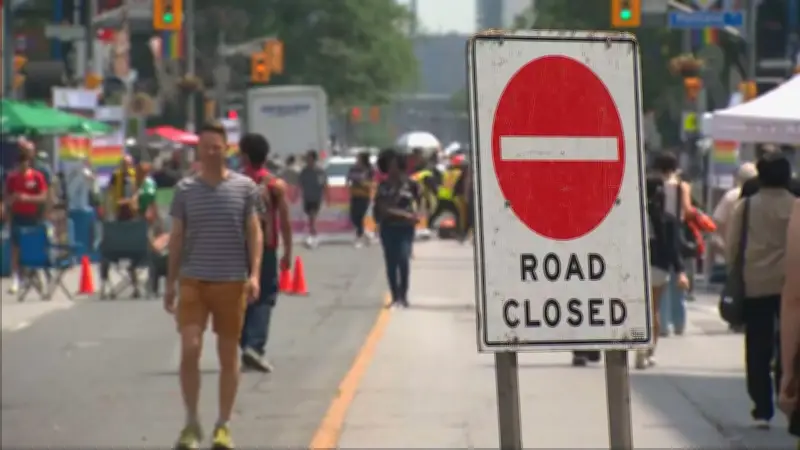
The pedestrian pilot project on Church Street in Toronto, which began in June, is facing higher-than-expected costs, according to a report by Beth Macdonell. The initiative is part of a broader city effort to create more pedestrian-friendly streets, but the financial overrun raises questions about future implementation.
Cost Overruns and Project Details
The pilot project, which temporarily closes Church Street to vehicular traffic, was projected to cost a certain amount, but actual expenses have exceeded that figure. The city has not released specific numbers, but officials acknowledge the overrun. The project includes temporary barriers, signage, and programming to encourage pedestrian use.
Impact on Pedestrian-Friendly Goals
Despite the cost issues, the pilot is seen as a test case for future pedestrianization. Similar projects in other cities have shown benefits like increased foot traffic and local business revenue. Toronto's experience will inform decisions on permanent changes.

According to city planners, the pilot aims to gather data on pedestrian usage and economic impact. The higher costs are attributed to unforeseen logistical challenges and extended timelines.
Community and Business Reactions
Local businesses have mixed reactions. Some report increased foot traffic, while others cite delivery access issues. The city is collecting feedback to refine the approach. A spokesperson said, 'We are committed to learning from this pilot to create vibrant, accessible streets.'
The project is scheduled to run through summer, with a full evaluation expected in the fall. The city plans to use the findings to develop a long-term pedestrian strategy.