A municipal representative in Cambridge is taking a stand for local taxpayers, claiming they have been unfairly charged for a regional transit project and demanding their money back.
Councillor Claims Constituents Overcharged
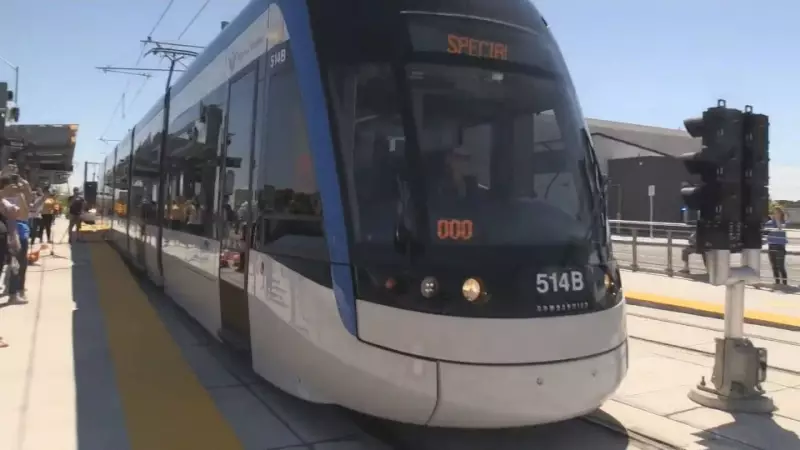
In a move that highlights growing tensions over municipal funding, a city councillor from Cambridge has publicly called for the Region of Waterloo to provide reimbursements to taxpayers. The councillor's core argument is that his constituents have been overcharged for their share of the regional light rail transit (LRT) system. The LRT, which primarily serves Kitchener and Waterloo, has been a source of long-standing debate about cost distribution across the tri-cities.
The Heart of the Funding Dispute
The councillor's demand centers on the belief that Cambridge residents are paying a disproportionate amount for a service from which they see limited direct benefit. While the LRT's Ion service currently runs between Kitchener and Waterloo, plans for a Cambridge connection remain in future phases. This has led to frustration among some Cambridge taxpayers who feel they are footing the bill for infrastructure that does not yet serve their community.

The issue was brought to public attention on December 03, 2025, as reported by CTV's Heather Senoran. The call for reimbursement adds a new chapter to the complex financial and political narrative surrounding the multi-billion dollar LRT project. It raises fundamental questions about equity in regional taxation and how major infrastructure projects are funded across municipal boundaries.
Broader Implications for Regional Governance
This demand is more than a simple budget complaint; it strikes at the core of how the Region of Waterloo manages shared services and costs. If the call for reimbursement gains traction, it could set a precedent for how other regional projects are financed and contested. The councillor's stance reflects a broader sentiment in some parts of Cambridge that the city's contributions to regional coffers do not always result in commensurate benefits.
The region now faces pressure to address these concerns publicly. The outcome of this dispute could influence future debates on regional transportation planning, tax policy, and inter-municipal relations within Waterloo Region. It underscores the ongoing challenge of balancing regional growth with fair and transparent cost-sharing among all communities involved.