Calgary's Water Infrastructure Demands Major Additional Funding
A newly released city report has outlined a substantial financial requirement for critical water infrastructure improvements in Calgary. The document indicates that an additional $609.5 million is needed to fund essential upgrades to the city's water system, with a significant portion dedicated to replacing the problematic Bearspaw South Feeder Main.
Borrowing Authority Expansion Proposed
To facilitate these crucial projects, Calgary's city council will be asked to amend its borrowing bylaw, which would increase the municipality's maximum borrowing capacity by $515.2 million. This request follows previous council approval of just over $1 billion in borrowing authority for water-related infrastructure projects at the end of 2024.
The report was added to the executive committee's Tuesday meeting agenda as an urgent notice of motion, highlighting the time-sensitive nature of these infrastructure needs. The recommended funding increase would be allocated to the city's 2026 and 2027 capital budgets specifically for water system enhancements.

Specific Project Allocations
The additional funding would support several key initiatives:
- Bearspaw South Feeder Main replacement - This project has been expedited following a December 30 failure and carries an estimated total cost of $439 million
- North Calgary Water Servicing project - A $533-million initiative that includes installing a separate feeder main in the northwest
- Advanced water metering infrastructure - Modernization of the city's water monitoring systems
- Capital delivery costs - Associated expenses for project implementation
Financial Implications for Residents
The self-supported debt accumulated through this borrowing would eventually be repaid through future water rate and levy increases. While the city's report confirms there will be no changes to water rates this year, projections indicate that by 2027, the typical monthly residential water bill could increase by approximately $17, representing a 14 percent rise.
Actual dollar implications for ratepayers will be presented to council during next November's four-year budget deliberations, providing residents with clearer financial projections.
Operational Budget Adjustments
In addition to capital funding, the motion requests council approval for 2026 operating budget adjustments totaling $21.3 million to support water-related operational needs. These funds would be drawn from the city's utility sustainment reserve and would cover:
- Additional frontline crews for water system maintenance
- Enhanced inspection and monitoring capacity
- Updated asset management systems
- Strengthened emergency preparedness measures
- Water demand implementation strategies
- Capital to operational transition and readiness initiatives
Urgent Infrastructure Replacement
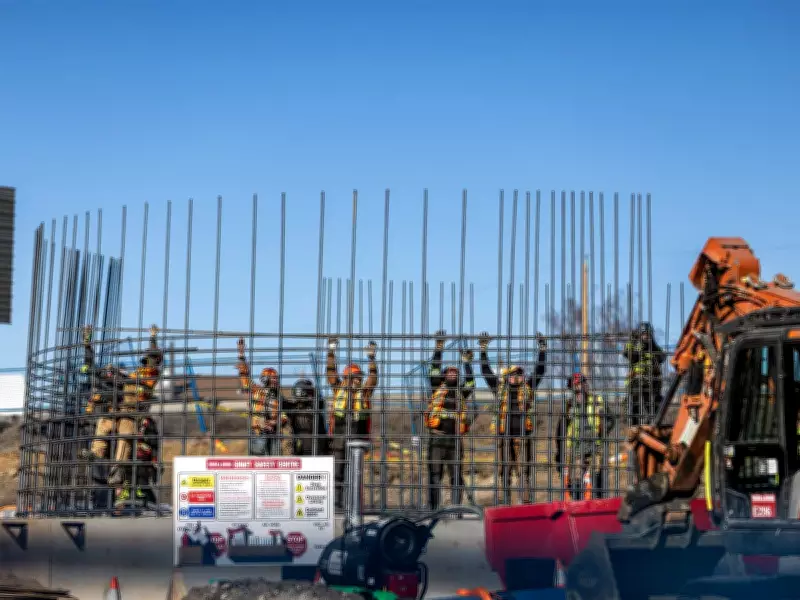
The need for these expenditures stems from continued work on a new water transmission line in northwest Calgary that will replace the Bearspaw South Feeder Main. This critical pipeline has ruptured twice in the last two years, prompting Mayor Jeromy Farkas to describe it as a "ticking time bomb" that could fail again at any moment.
Construction on the replacement pipeline began in January and is expected to be completed by late this year. The feeder main replacement breakdown includes $381 million for new pipe installation, $40 million for reinforcement measures, and $18 million for a slip line component.
These infrastructure improvements represent a significant investment in Calgary's water system reliability and safety, addressing both immediate concerns with aging infrastructure and long-term water service needs for the growing municipality.