Ottawa's ByWard Market Faces Parking Policy Paradox
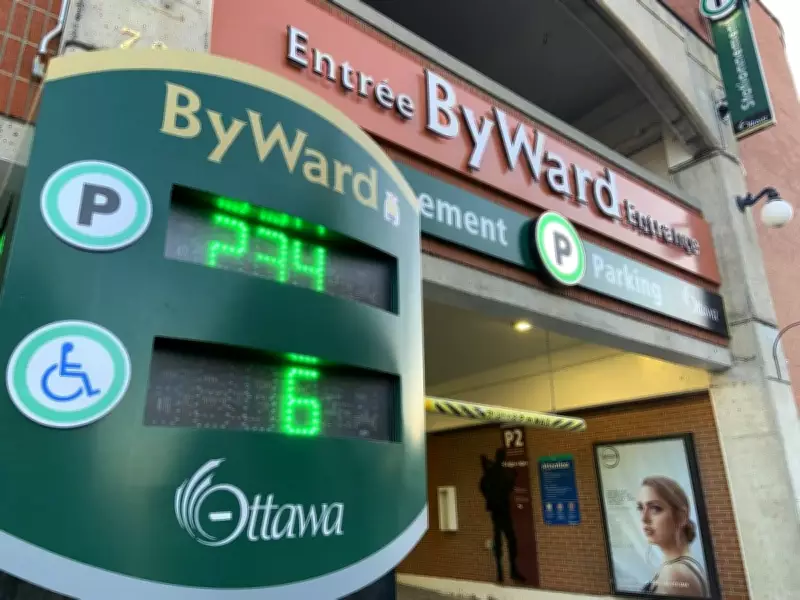
Proposed changes to parking regulations in Ottawa's historic ByWard Market have ignited a debate about the future character of this iconic neighborhood. Mayor Mark Sutcliffe recently unveiled a new action plan that includes implementing a three-hour parking limit at the city-owned garage on 70 Clarence Street, replacing the current unlimited parking option that has allowed visitors to spend extended periods exploring the market.
The Turnover Versus Dwell Time Dilemma
The mayor's rationale centers on increasing parking turnover to make spaces more readily available for market visitors. "The three-hour cap will increase turnover and make it easier to find a spot," Sutcliffe explained during a recent Ottawa Board of Trade event. However, this approach directly conflicts with the city's own urban planning models that emphasize encouraging longer visits to support local businesses.
City planners refer to this extended engagement as "dwell time" - the period visitors spend browsing shops, dining at restaurants, and experiencing the market's unique atmosphere. The contradiction between promoting turnover and encouraging lingering has become a central point of contention in discussions about the market's revitalization.

A Personal Experience of Market Immersion
Journalist Bruce Deachman recently documented what the new parking restrictions would eliminate: the ability to spend an entire day immersed in market life. "Early one morning last summer, I parked my car on the top level of the city-run garage at 70 Clarence St. and didn't think about it again until the following day," Deachman recalled.
During his twenty-four-hour market immersion, Deachman enjoyed coffee on cobblestone patios, sampled local cuisine, interacted with tourists and residents, discovered unique shops, and observed the neighborhood's transformation from daytime bustle to nighttime revelry and back to morning tranquility. "I lingered, meandered, lost track of time," he wrote, capturing the essence of what many consider the market's greatest appeal.
Infrastructure Challenges Compound Policy Questions
The parking policy debate unfolds against a backdrop of significant infrastructure challenges. City staff have identified that the 70 Clarence Street garage requires nearly $2 million in immediate repairs to remain safely operational for the next two years. More substantial renovations costing approximately $30 million would be necessary for longer-term viability, potentially requiring a two-year closure of the facility.
The ByWard Market Action Plan report identifies 2028 as "a fixed and unavoidable decision point" for the garage's future, adding urgency to discussions about parking policy and market accessibility.
Historical Context and Future Vision
Mayor Sutcliffe positioned the new action plan as a continuation of the ByWard Market Public Realm Plan approved by city council in 2021, describing it as "the action part that follows the vision." However, the three-hour parking restriction represents a significant departure from the original pedestrian-first blueprint that emphasized creating inviting public spaces.
Critics of the parking limitations argue that they prioritize efficiency over experience, potentially transforming the market's character. Deachman compared the approach to "an old Jack Ziegler cartoon in The New Yorker, depicting a restaurant called the 'Eat 'n' Pay 'n' Get Out' - essentially efficiency dressed up as hospitality."
For longtime market enthusiasts, the appeal has always been serendipity rather than efficiency. "In my half-century of visiting and working in the Market," Deachman noted, "it hasn't been efficiency that draws me back, but rather serendipity - the people you unexpectedly run into and the new things you find."
Balancing Practical Needs with Community Character
The parking policy discussion reflects broader tensions in urban planning between practical infrastructure management and preserving unique neighborhood characteristics. While increased turnover might address immediate parking availability concerns, it risks undermining the very qualities that make the ByWard Market a destination worth visiting.

As Ottawa moves forward with its market revitalization efforts, city officials must navigate these competing priorities. The challenge lies in developing policies that support local businesses through adequate visitor access while maintaining the spontaneous, exploratory atmosphere that has defined the ByWard Market experience for generations.