Alberta Introduces Sweeping Municipal Legislation with Bill 28
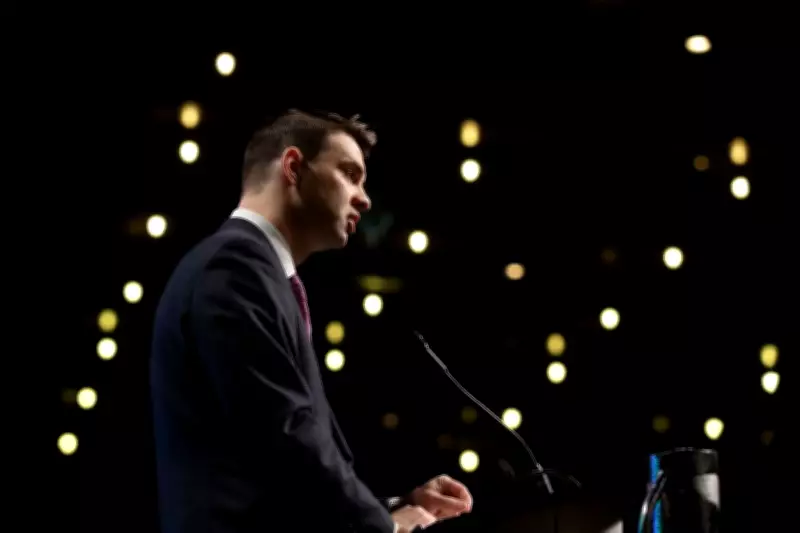
The Alberta government has unveiled comprehensive new omnibus legislation that significantly expands provincial authority across multiple areas of municipal governance. Bill 28, officially titled the Municipal Affairs and Housing Statutes Amendment Act, was introduced by Municipal Affairs Minister Dan Williams in the legislature on Thursday morning, marking a substantial shift in how municipalities operate and interact with provincial oversight.
Expanded Provincial Influence Over Public Libraries
One of the most notable provisions in Bill 28 grants the provincial government increased authority over public library operations. The legislation allows the minister to initiate reviews or respond to complaints concerning all public libraries, including those located within school facilities. This expansion builds upon existing provincial restrictions regarding materials containing pornographic sexual content in school libraries.
The new legislation permits the government to issue guidance and non-binding guidelines that public libraries must adhere to regarding these policies. Specifically, the act mandates "physical separation" of targeted materials, requiring parental approval for children aged 15 and under to borrow such content. While regulations detailing the exact nature of these changes will be finalized in coming months, provincial officials have clarified that no material will be removed from library collections as a result of these measures.

Province-Wide Municipal Code of Conduct
Bill 28 establishes a mandatory province-wide code of conduct for elected municipal councils across Alberta. This represents a significant reversal from last April's decision, when the province eliminated previously mandatory municipal codes of conduct, citing concerns that they had been "weaponized" in local politics.
Under the new system, municipalities will be required to select third-party commissioners approved by the province to investigate complaints. The code applies to various forms of misconduct, including unauthorized use of municipal assets, disclosure of confidential information, egregious or threatening behavior, and improper use of influence. Notably, the minister retains authority to initiate investigations when deemed necessary, ensuring provincial oversight of the complaint process.
Ban on Vacancy Taxes
The legislation includes a prohibition on vacancy-style taxes that the provincial government argues penalize Alberta homeowners based on property usage frequency. These taxes, employed by jurisdictions like Vancouver, Toronto, and British Columbia, are often implemented as tools to address housing shortages and increase rental supply.
This ban directly affects municipalities like the Town of Canmore, which implemented a vacancy tax effective January 1, 2026. Canmore's tax has survived multiple court challenges, including rulings as recent as last month, but would be invalidated once Bill 28 passes into law.
Additional Legislative Changes
Beyond these major provisions, Bill 28 includes several other significant amendments. The legislation incorporates previously announced measures allowing municipalities to highlight on local tax notices the specific amount of money directed to Ottawa for RCMP policing costs. This transparency measure aims to provide taxpayers with clearer understanding of how their municipal funds are allocated.
The omnibus bill amends three existing pieces of legislation, though the full scope of changes will become clearer as regulations are developed in the coming months. Minister Williams emphasized that these reforms aim to create more consistent standards across municipalities while maintaining local autonomy within provincial guidelines.
As Bill 28 moves through the legislative process, stakeholders including municipal leaders, library administrators, and housing advocates are expected to provide feedback on how these sweeping changes will affect communities across Alberta. The legislation represents one of the most significant overhauls of municipal governance in recent provincial history, with implications for how local governments operate, manage public resources, and interact with provincial authorities.