Woman Loses Consciousness During Severe Caning Sentence in Indonesia
In a stark demonstration of the enforcement of Sharia law in Indonesia, a woman collapsed after being subjected to 140 strokes of the cane. The punishment was administered in the province of Aceh for violations including engaging in sexual relations outside of marriage and consuming alcohol. This incident highlights the ongoing application of corporal punishment under the region's strict Islamic legal framework.
Details of the Punishment and Its Context
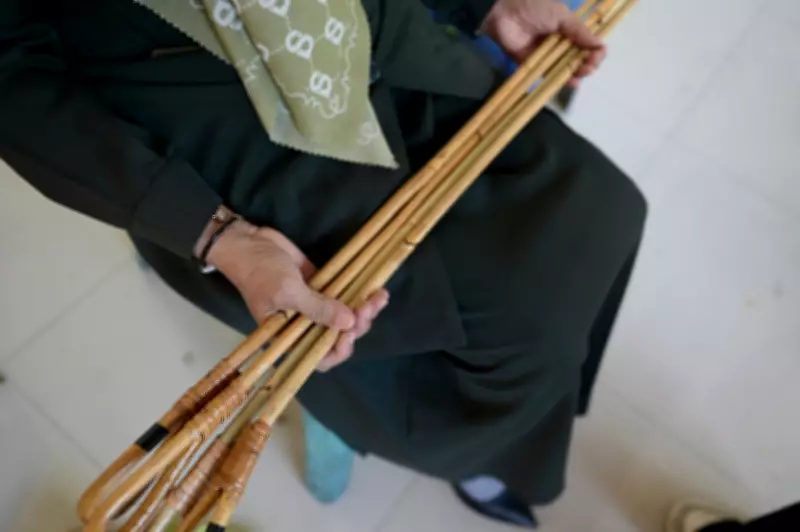
The caning took place in Banda Aceh, the capital of Aceh province, which is the only region in Indonesia authorized to implement Sharia law. Officials used rattan sticks to carry out the sentence in a public setting, a practice intended to serve as a deterrent. Reports indicate the woman lost consciousness during the prolonged flogging, raising immediate concerns about the physical toll of such penalties.
Aceh has maintained this form of judicial punishment for years, applying it to a range of offenses deemed contrary to Islamic principles. These typically include gambling, adultery, drinking alcohol, and homosexual acts. The public nature of the canings is a contentious aspect, drawing both local support and international criticism regarding human rights.

Broader Implications and Reactions
This case has reignited debates about the compatibility of such punishments with modern human rights standards. Human rights organizations have repeatedly condemned the practice, arguing it constitutes cruel and degrading treatment. Conversely, local authorities in Aceh defend it as a necessary measure to uphold moral order and religious values within their autonomous region.
The incident occurs amidst a complex legal landscape where Aceh's special autonomy allows it to enforce Sharia, while the rest of Indonesia follows a secular criminal code. This duality often leads to friction and highlights the challenges of governing a diverse archipelago with varying cultural and religious norms.
International observers continue to monitor the situation, noting that while Indonesia is a democracy, the persistence of corporal punishment in Aceh remains a significant point of contention in its human rights record.