Windsor Police Shooting Video Shows Officers Followed Training, Veteran Officer Says
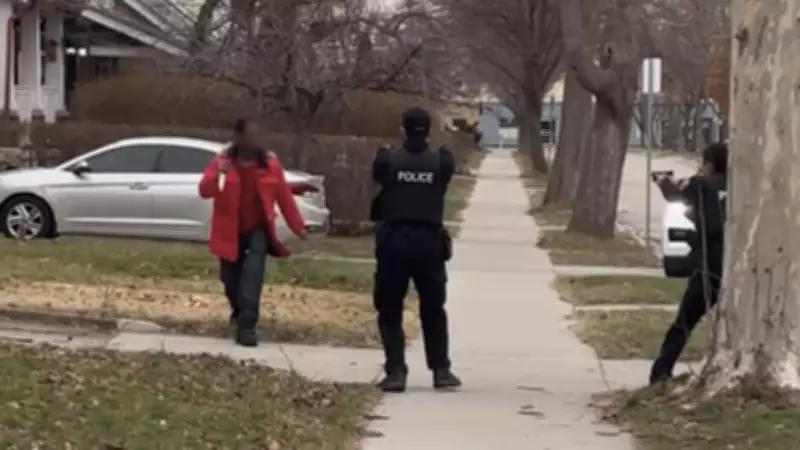
A veteran law enforcement officer has reviewed bystander footage of a recent fatal police shooting in Windsor and concluded that the officers involved acted in accordance with their training. The incident, which occurred on March 18, 2026, was captured on video and appears to show a man wielding a knife during an interaction with Windsor police officers. The confrontation resulted in the police shooting and killing the individual.
Analysis of the Bystander Video
The video, submitted by a bystander, provides a clear view of the events leading up to the shooting. According to the veteran officer, who spoke on condition of anonymity due to the sensitivity of the case, the footage demonstrates that the officers followed established protocols for dealing with armed suspects. "The video shows a man with a knife in a threatening posture," the officer explained. "In such situations, police are trained to neutralize the threat to protect themselves and the public. The response appears consistent with standard operating procedures."
This analysis comes amid ongoing public scrutiny of police use of force, particularly in incidents involving weapons like knives. The veteran officer emphasized that training focuses on de-escalation but also includes measures for immediate response when faced with imminent danger. "Officers are taught to assess the situation rapidly and act to prevent harm," the officer added. "The video suggests they did just that."

Context and Broader Implications
The shooting has sparked discussions about police training and accountability in Windsor and beyond. Local authorities have confirmed that an investigation is underway, but the veteran officer's comments provide an early perspective on the officers' actions. This incident highlights the challenges law enforcement faces in high-stress encounters, where split-second decisions can have life-or-death consequences.
In recent years, there has been increased emphasis on body-worn cameras and bystander footage to provide transparency in police interactions. The Windsor Police Service, for instance, has plans to expand its use of body-worn cameras by 2027, aiming to enhance accountability and public trust. This video underscores the importance of such tools in documenting events and informing public discourse.
As the investigation progresses, community leaders and advocacy groups are calling for a thorough review of the incident. The veteran officer's analysis suggests that, from a training standpoint, the response was justified, but it also raises questions about how such situations can be prevented in the future. Discussions around mental health support, crisis intervention, and alternative policing strategies are likely to continue in the wake of this event.
Overall, the bystander video offers a glimpse into a tragic confrontation, and the veteran officer's insights shed light on the complex realities of police work. While the investigation will determine the full details, this case serves as a reminder of the critical role training plays in law enforcement and the ongoing need for dialogue on public safety and justice.