Victims and Families Question Allocation of Lapu Lapu Day Attack Fundraising Money
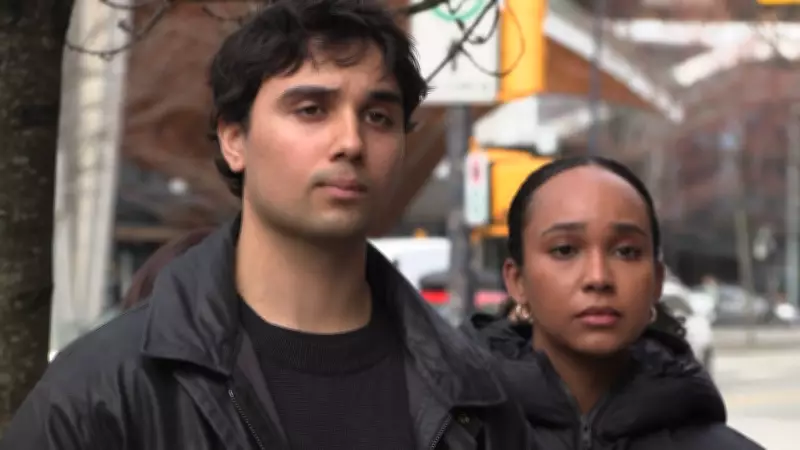
In Vancouver, a growing controversy is unfolding as victims of the Lapu Lapu Day attack and their families are demanding clarity on how funds raised for their support have been spent. Vanessa Hill and Blaine Redlac, representing affected individuals, have publicly voiced their concerns, highlighting a lack of transparency from event organizers regarding the financial management of donations intended for victim assistance.
Calls for Accountability and Detailed Reporting
The issue centers on fundraising efforts launched in the aftermath of the attack, which aimed to provide financial relief and resources to those impacted. However, Hill and Redlac argue that there has been insufficient communication about where the money has gone, with no clear breakdown of expenditures or evidence that funds are directly benefiting victims. This has led to frustration and distrust within the community, as families grapple with the emotional and physical aftermath of the incident while feeling left in the dark about financial support.
Community members are urging organizers to release comprehensive reports, detailing how every dollar has been utilized, from medical bills and counseling services to long-term recovery programs. The lack of such information, they say, undermines the goodwill of donors and exacerbates the trauma experienced by victims.

Broader Implications for Fundraising Practices
This situation raises important questions about accountability in charitable fundraising, especially in cases involving traumatic events. Experts note that transparency is crucial to maintaining public trust and ensuring that funds serve their intended purpose. Without it, there is a risk of mismanagement or misallocation, which can harm both victims and the broader community's willingness to contribute to future causes.
The Lapu Lapu Day attack has left a lasting impact on Vancouver, and the current dispute over fundraising money adds another layer of complexity to the recovery process. As investigations continue, victims and their families are hopeful that increased scrutiny will lead to better oversight and more responsible handling of donations in the future.