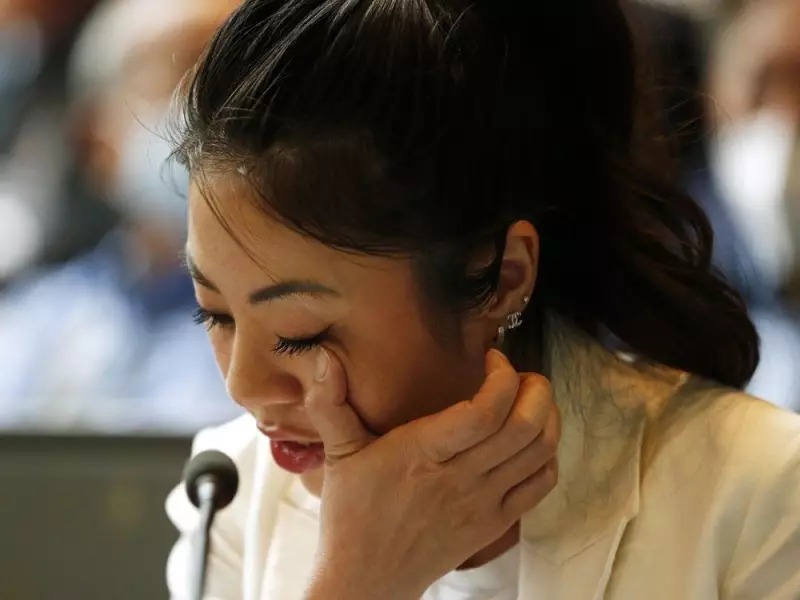
For Christina Trang and her family, the wait for justice has stretched nearly four years since the homicide of her father, Hung Trang. As they brace for an upcoming trial date, they live with the constant fear of another postponement, a reality that has come to define their traumatic experience with Canada's criminal justice system.
A System Tolerant of Delay and Trauma
This profound uncertainty is not unique to the Trang family. Across Canada, countless victims and their loved ones navigate a system that appears structurally built to tolerate extensive delays, often at the direct cost of their psychological well-being. Each phone call or court notification brings a fresh wave of anxiety, wondering if proceedings will finally move forward or be pushed further into an uncertain future.
The principle of fairness underpins Canada's legal framework, yet for those who have suffered from crime, the process frequently feels anything but fair. While the rights of the accused are clearly enshrined in law and vigorously defended—including rights to counsel, disclosure, and a timely trial—the rights of victims remain more abstract. They are acknowledged in legislation but are inconsistently and often inadequately upheld in practice.

The Hollow Promise of Victims' Rights
For families, the practical impact of this imbalance is devastating. Procedural delays, frequent adjournments, and complex legal barriers do more than cause frustration; they actively compound grief and systematically erode trust in the very institutions meant to deliver justice and closure.
The Canadian Victims Bill of Rights (CVBR) was enacted with the promise of correcting this historic gap. It outlines core rights for victims: to information, participation, protection, and restitution. However, as many have discovered, these rights largely lack enforceability. When they are overlooked or denied, victims have little practical recourse, rendering the bill's promises more aspirational than real.
Court delays stand as one of the most damaging failures. Cases routinely take years to reach trial, with adjournments often granted for reasons that seem minor or procedural to those waiting for answers. When cases are ultimately stayed or dismissed due to excessive delay, the message victims receive is not one of justice, but of profound abandonment by the state.
Seeking Meaningful Participation in a Rigid Process
Recent reforms to bail and sentencing laws have aimed to address public safety concerns, but they do little to improve the day-to-day experience of victims within the court process itself. Even victim impact statements, one of the few formal avenues for families to express their loss, are often filtered through strict legal protocols that can dilute their raw emotional power and authenticity.
The story of Hung Trang, whose photo was displayed in an Edmonton Chinatown shop window alongside another victim, Ban Phuc Hoang, in June 2022, highlights a community's pain. Christina Trang first publicly shared her family's struggle in May 2022 while advocating for community safety in Edmonton. Her continued wait exemplifies a national crisis.
The structural imbalance is clear: the system provides a comprehensive suite of protections for the accused, which are essential in a democratic society. Yet it offers far less support for the victims, who bear the lasting weight of the crime. They are frequently left without timely information, meaningful participation, or clarity about the path ahead. This reality demands urgent and systemic attention to ensure that justice is not only done but is also seen and felt by those who have been harmed.