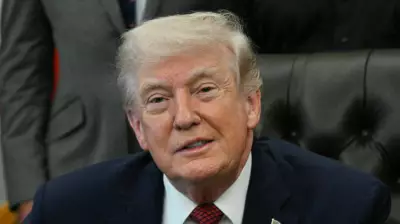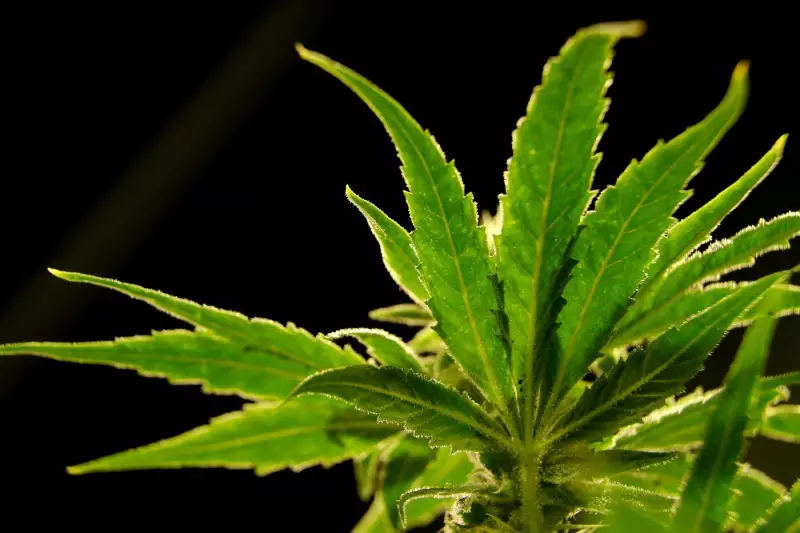
In a significant shift in U.S. federal drug policy, President Donald Trump is poised to sign an executive order that will reclassify marijuana and ease long-standing restrictions on the substance. The move, expected to be finalized on December 16, 2025, marks a historic departure from the drug's current Schedule I status under the Controlled Substances Act.
Details of the Expected Executive Order
The forthcoming order, as reported, will initiate a formal administrative process to reclassify cannabis. While the exact new scheduling was not detailed in initial reports, moving it from Schedule I—which includes drugs like heroin and LSD deemed to have no accepted medical use—would represent a fundamental change. This action by the Trump administration would direct federal agencies, including the Department of Justice and the Drug Enforcement Administration (DEA), to revise their enforcement priorities and recognize a more nuanced view of the drug.
The decision comes after years of evolving public opinion and a state-level patchwork of laws, where medical marijuana is legal in 38 states and adult recreational use is permitted in 24, including the District of Columbia. The federal-state conflict has created significant legal and banking hurdles for the burgeoning multi-billion dollar cannabis industry.

Potential Implications and Cross-Border Repercussions
This policy shift is anticipated to have wide-ranging consequences. Easing federal restrictions could unlock major financial services for cannabis businesses, facilitate more extensive medical research, and potentially influence international drug treaties. For Canada, a global leader in legalized recreational cannabis since 2018, changes in U.S. policy could simplify cross-border commerce in hemp-derived products, affect investment flows, and alter the dynamics of the North American market.
The news follows other cannabis-related developments in Canada, such as the recent incident where N.S. RCMP ticketed an employee after a bust at a Digby-area cannabis shop, highlighting the ongoing regulatory adjustments within the Canadian framework. A U.S. federal policy change could prompt further discussions on harmonization and trade.
A Turning Point in Drug Policy
If enacted, President Trump's executive order will be seen as a landmark moment in the decades-long debate over marijuana prohibition in the United States. It signals a move toward a more pragmatic federal approach, aligning policy more closely with scientific understanding and majority public sentiment. The administrative process for reclassification will involve public comment and review, meaning the full effects will unfold over the coming months. This move places cannabis policy at the forefront of the national conversation as the country heads into a new election cycle.