Toronto Woman's Online Threats Against PM Carney Ignite Free Speech Controversy
A Toronto woman who posted violent threats against Prime Minister Mark Carney on social media has become the center of a heated debate about freedom of speech versus public safety. Nicole Pearen Miske, who made the threats in February 2026, was visited by Toronto Police officers who investigated the incident as a potential criminal matter.
Threats Directed at Prime Minister Mark Carney
On February 10, 2026, Miske reposted content from the group Canadians for Justice and Peace in the Middle East, adding her own comments that included direct threats against the prime minister. "I'm coming for you, you suck twisted f***. You will get yours!" Miske wrote in her post, which police later identified as requiring investigation.
The threats were reportedly driven by Miske's anger over Israeli Prime Minister Benjamin Netanyahu being allowed to fly through Canadian airspace on his way to Washington. The original post she shared called Carney a "traitor" for not enforcing an International Criminal Court arrest warrant against Netanyahu.

Police Investigation and Confrontation
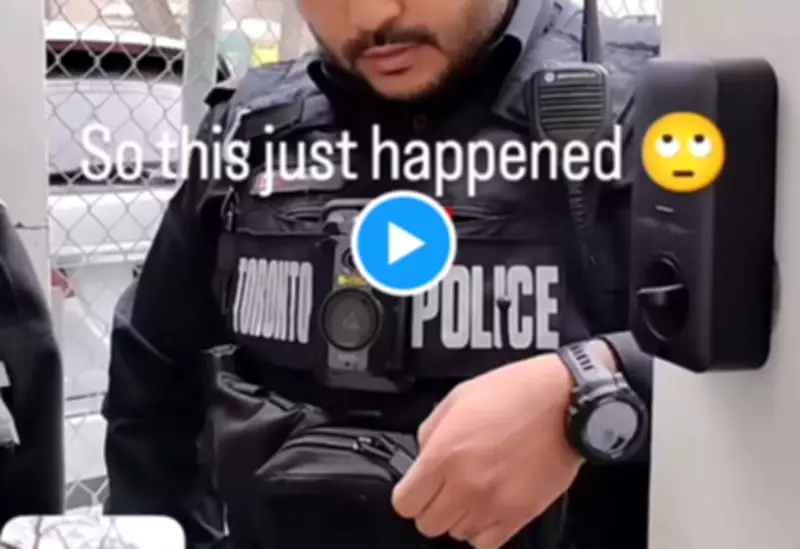
On March 5, 2026, two Toronto Police officers visited Miske's residence to discuss her social media posts. Body camera footage and video posted to Miske's Instagram account show her berating the officers during their visit. "He's a Zionist scumbag, and he's not my prime minister," Miske told the officers during the exchange.
When officers attempted to discuss the specific threat she had made, Miske responded defiantly: "I will say whatever the f*** I want about our prime minister. You can't stop my speech." The officers explained that while she was entitled to her opinions, making threats crossed a legal boundary.
Legal Framework for Threats in Canada
Section 264.1 of the Criminal Code of Canada clearly states that "Every one commits an offence who, in any manner, knowingly utters, conveys or causes any person to receive a threat to cause death or bodily harm to any person." Police emphasized that their visit was not about policing offensive speech but about investigating what appeared to be a genuine threat against the country's leader.
"This isn't a case of cops showing up to warn, harass or arrest people for so-called 'offensive' social media posts," noted the reporting. "This is about making a public threat against the prime minister of our country."
Broader Implications for Free Speech
The incident has sparked debate about where to draw the line between protected speech and criminal threats. While some have portrayed Miske as a free speech martyr, law enforcement officials argue that threatening violence against elected officials cannot be tolerated, regardless of political disagreements.
No charges were ultimately laid in this case, but police maintain that investigating such threats is necessary for public safety. The situation highlights the ongoing tension between protecting freedom of expression and preventing potentially dangerous behavior in the digital age.
As social media continues to play a central role in political discourse, cases like this one raise important questions about how law enforcement should respond to online threats while respecting constitutional rights.