Toronto Police Corruption Case Sparks Debate Over Investigation Independence
The recent corruption charges against seven Toronto Police officers and one retired officer have ignited a significant debate about police accountability and investigation protocols. The case, involving allegations of information being leaked to hitmen that led to a corrections officer's home being shot at, represents one of the most serious internal scandals in recent Toronto Police history.
Charges and Allegations
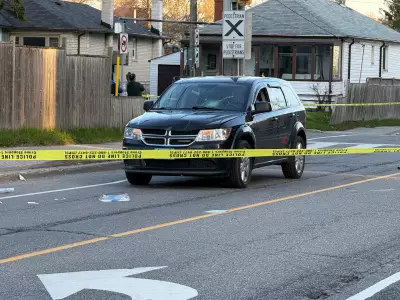
York Regional Police announced the results of their Project South investigation on Thursday, February 5, 2026, revealing that eight individuals connected to the Toronto Police Service face charges including conspiracy to commit murder and corruption-related offenses. The allegations suggest that sensitive information was improperly shared with criminal elements, resulting in a targeted attack on a corrections officer's residence.
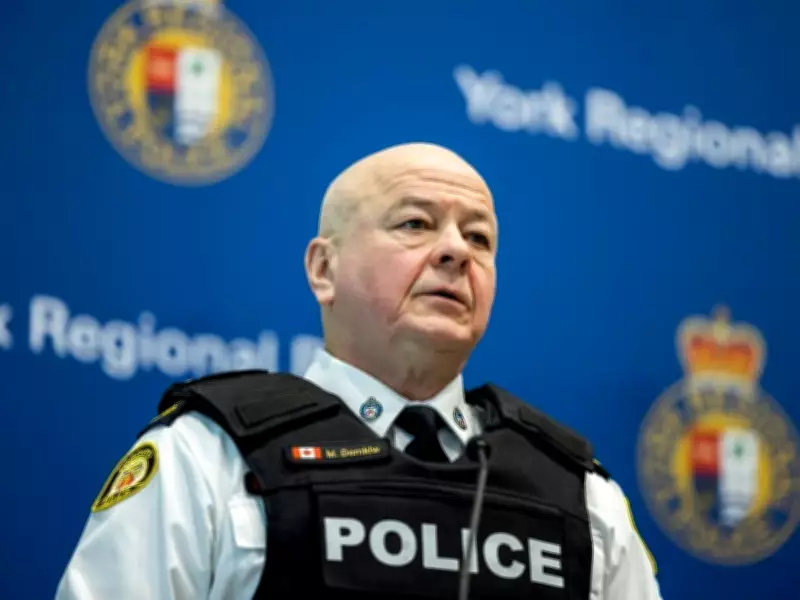
Toronto Police Chief Myron Demkiw addressed the media following the announcement, stating that the officers involved could face suspension without pay while emphasizing that the investigation was led by York Regional Police. However, he offered no apologies for the alleged misconduct occurring under his leadership, instead focusing on assurances that internal mechanisms would address the situation.

Investigation Methodology Questioned
The investigation's structure has drawn criticism from policing experts and observers. While York Regional Police led Project South, they worked in cooperation with Toronto Police Professional Standards personnel. This arrangement has raised questions about potential conflicts of interest and whether true investigative independence was maintained.
"When a police service discovers alleged corruption or potential violence by one of its members, it's common practice to bring in an outside agency to investigate," noted one policing expert. "This creates a level of unbiased decision-making to ensure no one can impede the probe."
Chief Demkiw defended the arrangement, stating: "This investigation was led by the York Regional Police. I was not provided an opportunity to make investigative decisions, impact the speed and flow of the investigation." However, his presence at the announcement alongside York Regional Police Chief Jim MacSween has been criticized as creating problematic optics.
Public Trust Concerns
The case has significant implications for public confidence in law enforcement. The Toronto Police Services Board issued a statement emphasizing their commitment to professionalism, integrity, and accountability, but acknowledged the seriousness of the allegations. No resignations or demotions have been announced in connection with the scandal, despite the severity of the charges.
Public trust in policing faces a critical test when internal investigations involve cooperation between agencies rather than complete external oversight. The appearance of conflict of interest becomes particularly concerning when the alleged corruption involves multiple officers within the same department.
Historical Context and Future Implications
This case follows a pattern of police investigating police that has drawn criticism in previous high-profile incidents. The involvement of the Inspector General's office for review represents an additional layer of oversight, but critics argue that truly independent investigation from the outset would better serve public confidence.
The Community Safety and Policing Act provides regulatory frameworks for addressing conflict of interest situations, but questions remain about whether current practices adequately ensure transparency and accountability in cases involving serious allegations against police personnel.
As the legal proceedings unfold, the Toronto Police Service faces mounting pressure to demonstrate that internal accountability mechanisms can effectively address systemic issues while maintaining public trust during one of the most challenging periods in the service's recent history.