Toronto Man Alleges Discrimination in Tattoo Refusal, Files Human Rights Complaint
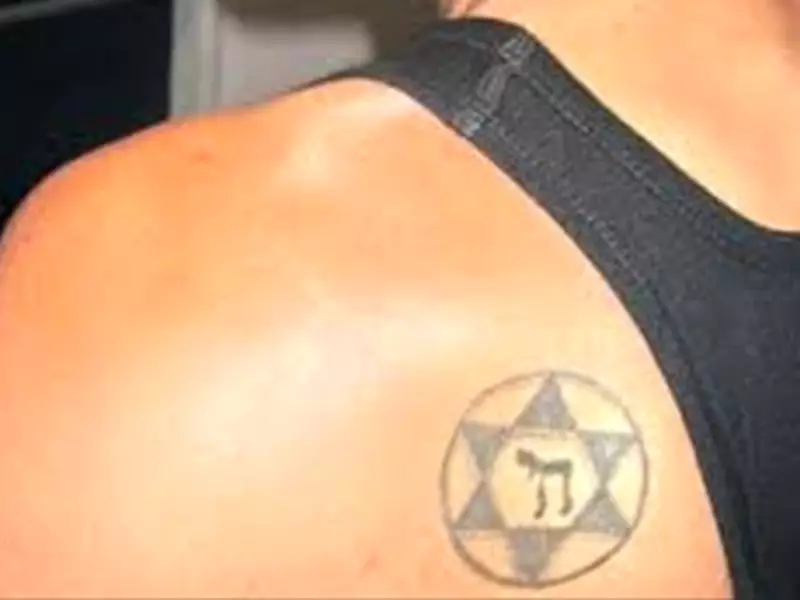
Benjamin Miller, a 50-year-old former public servant from Toronto, has filed a human rights complaint after alleging that a tattoo artist refused to ink a Star of David with the Hebrew word "chai" at its center. The complaint, filed last summer, is currently in the mediation stage, with Miller deciding to go public about the intensely personal matter.
Background of the Alleged Incident
Miller, a cancer survivor discharged from Princess Margaret Cancer Centre, sought the tattoo as a way to reclaim his Jewish identity, especially in the wake of heightened tensions since October 7, 2023. He stated, "Since October 7, 2023, I have often felt afraid to be visibly Jewish in public. Getting this tattoo was my way of reclaiming my identity." The Hebrew word "chai" translates to "life," and the Star of David, or Magen David, is a widely recognized symbol of Jewish identity and unity.
Legal and Cultural Context
The alleged refusal is being challenged under section one of Ontario's Human Rights Code, which prohibits discrimination based on factors such as race, ancestry, and creed in services, goods, and facilities. Richard Marceau, senior vice-president and general counsel at the Centre for Israel and Jewish Affairs (CIJA), emphasized, "Refusing someone service because they are Jewish is unlawful. This is precisely the type of conduct that human rights legislation is designed to prevent."

While Jewish law, as interpreted from Leviticus 19:28, traditionally forbids tattoos, modern Jewish communities, particularly in Israel, have seen a shift in attitudes. Miller's case highlights the intersection of personal expression, cultural identity, and legal protections in contemporary society.
Miller's Motivation and Public Statement
Miller expressed his disappointment, saying, "I am proud of my Jewish identity and wanted a tattoo to reflect that, but instead I was made to feel that being visibly Jewish was a problem. That goes against the basic principles of equal treatment and human rights." He added, "I'm speaking out because no one should have to hide who they are."
Current Status and Implications
The human rights complaint remains confidential, with the tattoo artist's name withheld. However, Miller's decision to speak out underscores the broader issues of discrimination and identity in public spaces. The outcome of the mediation could set a precedent for similar cases involving religious or cultural symbols in the private sector.
As the case progresses, it raises important questions about the balance between artistic discretion and anti-discrimination laws, with Miller hoping for a resolution that affirms the right to express one's identity without fear.