Toronto Police Officer and Son Accused in Major Information Leak Case
A retired Toronto police detective and his son have been denied bail after being accused of leaking sensitive information to an alleged key figure within a criminal network. The case, which has sent shockwaves through law enforcement circles, involves serious charges that underscore ongoing concerns about internal corruption and security breaches.
Details of the Allegations and Legal Proceedings
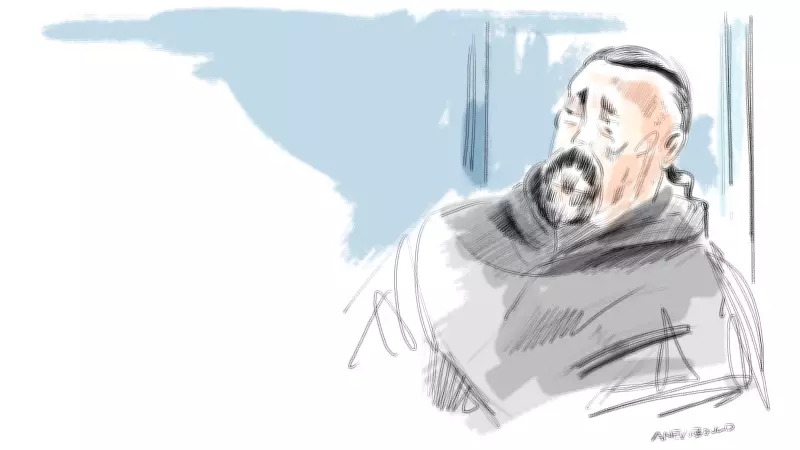
John Madeley Sr., a 55-year-old former detective with the Toronto Police Service, and his 29-year-old son, John Madeley Jr., are facing accusations of providing confidential police data to individuals connected to organized crime. The information allegedly leaked could compromise ongoing investigations and endanger public safety, according to authorities.
The bail hearing, which concluded recently, saw the court deny release for both individuals, citing the gravity of the charges and potential risks to the community. Prosecutors argued that the accused posed a significant flight risk and that their release could lead to further interference with the judicial process.

Broader Implications for Police Integrity and Public Trust
This incident highlights critical issues within police oversight and the mechanisms designed to prevent such breaches. The alleged involvement of a retired officer, who would have had access to extensive databases and investigative tools, raises questions about vetting procedures and post-retirement monitoring.
Law enforcement experts note that cases like this can erode public confidence in police institutions, making transparency and accountability even more vital. The Toronto Police Service has emphasized its commitment to rooting out misconduct, but this case may prompt calls for stricter internal controls and enhanced training on data security.
Context Within a Series of Police-Related Incidents
The Toronto case emerges amid a national landscape where police integrity is under scrutiny. Recent months have seen similar investigations, such as the suspension of three Peel Regional Police officers in a separate corruption probe. These events collectively point to systemic challenges that require addressed at multiple levels of governance.
Public reaction has been one of concern, with community leaders urging for thorough investigations and reforms to prevent future occurrences. The denial of bail in this instance signals the judiciary's recognition of the severity of the alleged crimes and their potential impact on societal safety.
As legal proceedings continue, all eyes will be on how this case unfolds and what measures will be implemented to safeguard against similar breaches. The outcome could influence policy changes not only in Toronto but across Canadian law enforcement agencies striving to maintain public trust.