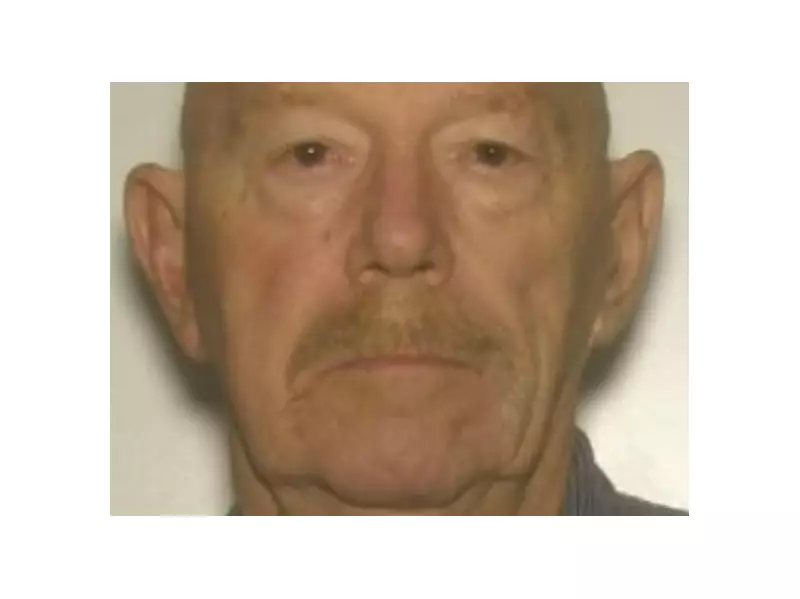
In a major breakthrough for some of Toronto's most haunting cold cases, police have identified a serial killer responsible for the murders of three women over a 15-year period. The suspect, Kenneth Leslie Smith, died of lung cancer in Windsor in 2019, leaving behind a trail of violence and unanswered questions that investigators are now urgently trying to unravel.
A Pattern of Violence Emerges from the Cold
Last week, a joint press conference held by the Toronto Police Service and the Ontario Provincial Police revealed that forensic advancements and dedicated cold case work had finally connected three separate homicides to one man. The victims were Christine Prince, a Welsh nanny killed in 1982; Claire Sampson, murdered in 1983; and Gracelyn Greenidge, a nurse whose life was taken in 1997. All three women were sexually assaulted, but Smith employed different methods to kill them: Prince was drowned, Sampson was beaten, and Greenidge was shot.
According to criminologist Michael Arntfield, who has studied Prince's case for over a decade, the details of her murder always pointed to a serial offender. "Prince's case ticked every box of a mid-career serial killer," Arntfield told the Toronto Sun. The presence of multiple crime scenes, the taking of souvenirs from the victim, and the seemingly random, opportunistic nature of the attack were all classic indicators.

The Killer's Profile and Chilling Gaps
Kenneth Smith was born in Timmins and lived in Toronto during the time of the murders. He inexplicably moved to Windsor in 2013, where he died six years later. The investigation reveals a perpetrator with an unpredictable pattern. His victims varied significantly in age, race, and physical characteristics, defying a consistent profile. Furthermore, after murdering Claire Sampson in 1983, he entered a 14-year "cooling off" period before killing Gracelyn Greenidge in 1997.
Arntfield notes this hiatus is not uncommon among serial offenders, who may be distracted by life circumstances, but it doesn't mean the urges disappear. "If he was unable to do that in that span, my guess is he never really aged out of that behaviour," Arntfield stated. "And anything, any open cases wherever he lived, are fair game until he died."
The Hunt for More Victims Continues
For investigators, identifying Smith is not the end, but what Arntfield calls "the end of the beginning." The police now face the daunting task of piecing together Smith's movements during the gaps in his known violent timeline. Arntfield and detectives strongly believe the Toronto murders were crimes of opportunity and that Smith almost certainly has more victims.
"We know he's got at least three," Arntfield said, referencing the confirmed cases. "My guess is that it's at least five." The investigation is now focused on reviewing unsolved murders and sexual assaults in every community where Smith lived, particularly during the lengthy gap between 1983 and 1997, in the hope of providing long-awaited answers to other families.
The identification of Kenneth Leslie Smith closes the book on three decades-old Toronto homicides, but it opens a new, grim chapter in the search for justice for his other potential victims.