The Tragic Story of Terry Alcorn and a Justice System Under Scrutiny
In a chilling case that continues to resonate decades later, the brutal 1965 murder of five-year-old Terry Alcorn in Toronto exposes deep flaws within Canada's justice system. The killer, Roy Donald Kully, a 22-year-old milkman at the time, would go on to commit further atrocities, highlighting systemic issues that experts say mirror modern challenges in 2026.
A Life Cut Short and a Killer's Path
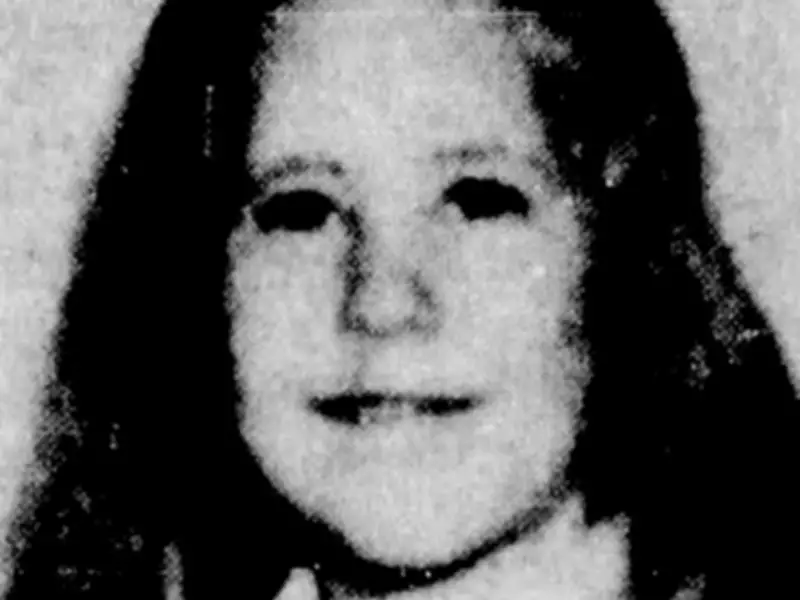
On September 24, 1965, near Bracebridge, Terry Alcorn's young life was violently ended. The pathologist determined she was strangled to death following a brutal rape at Kully's hands. Police discovered the Scarborough girl's body hidden under a bed at a local cottage after her mother, Marie, raised the alarm. This horrific crime marked the beginning of a justice journey that many now view as a harbinger of contemporary problems.
Kully's timing within the legal framework was particularly significant. The death penalty had only recently been removed from regular use, with the last executions at Toronto's Don Jail occurring in December 1962. Kully pleaded guilty to non-capital murder and was sent to Collins Bay Penitentiary in Kingston, where he would receive treatment that many critics describe as overly lenient.

Prison Privileges and a Deadly Escape
During his incarceration, Kully was described as a model prisoner who participated in drama clubs and took college courses. He earned day passes in 1971 and 1972, but the situation changed dramatically in December 1972. While participating in a children's play production at Kingston's Grand Theatre, Kully escaped during a dress rehearsal.
His escape unleashed a wave of violence across Ontario. Kully stole a car at knifepoint in Kingston, robbed a gas station, and kidnapped a 10-year-old boy who was later found abandoned in a ditch near Highway 401. The terror continued in January 1973 when Kully broke into a Southwestern Ontario farmhouse and murdered labourer Gordon Wilson after being discovered. He was arrested two days later in Kingston.
Courtroom Drama and a Judge's Stern Response
At his murder trial in Chatham, the court heard arguments that Kully hadn't received adequate mental health treatment. His defense suggested he was rehabilitated and nearing parole eligibility. However, Justice E.G. Thompson delivered a stern rebuke to this perspective, sentencing Kully to life imprisonment with no parole eligibility for 20 years.
In his sentencing remarks, Justice Thompson stated: I'd be very loathe under the circumstances to extend to him any reduction in a long, long period of incarceration. The judge recognized the gravity of Kully's crimes despite emerging social science theories that some argued should mitigate his punishment.
Historical Parallels and Contemporary Implications
Kully ultimately took his own life in his Prince Albert Penitentiary cell in 1980, but his case continues to spark debate about justice system effectiveness. Legal experts note that just five years before Terry Alcorn's murder, Kully would likely have faced execution under previous capital punishment laws.
The case serves as a stark reminder of how justice systems evolve and the challenges in balancing rehabilitation with public safety. As Canada approaches 2026, many observers see troubling parallels between historical cases like Kully's and contemporary debates about criminal justice reform, mental health treatment in correctional facilities, and sentencing practices.
This historical examination raises important questions about how society addresses violent crime while maintaining both compassion and accountability within its legal frameworks.