

Tech Giants Face Landmark Trial Over Allegations of Deliberately Harming Children
Three of the world's most influential technology corporations are preparing for a groundbreaking legal battle in Los Angeles this week. Meta's Instagram, ByteDance's TikTok, and Google's YouTube stand accused of intentionally designing their platforms to addict and harm young users. This landmark trial represents the first time these companies will present their defense before a jury, with potential ramifications that could reshape their business practices and fundamentally alter how they manage children's engagement with their services.
Jury Selection and Legal Strategy
Jury selection commenced this week at the Los Angeles County Superior Court, with the process expected to span several days. Court officials plan to question approximately 75 potential jurors daily through at least Thursday. The significance of this trial extends beyond the immediate defendants, as a fourth company originally named in the lawsuit—Snapchat's parent company Snap Inc.—reached an undisclosed settlement last week.
This trial represents a critical test case that could establish legal precedents affecting thousands of similar lawsuits pending against social media platforms nationwide. Legal experts have identified this as a bellwether trial, essentially serving as a strategic testing ground where both plaintiffs and defendants can evaluate how their arguments resonate with jurors and assess potential damage awards.

The Core Plaintiff and Addiction Allegations
At the heart of this litigation stands a 19-year-old plaintiff identified only by the initials "KGM," whose experiences with social media platforms could determine the trajectory of numerous similar cases. KGM alleges that her early and prolonged engagement with social media platforms fostered a technological addiction that significantly worsened her depression and suicidal ideation.
The lawsuit presents a particularly damaging accusation: that these technology companies deliberately engineered their platforms to maximize addiction among young users to drive advertising revenue. The legal complaint draws explicit parallels to historical cases against the tobacco industry, stating: "Borrowing heavily from the behavioral and neurobiological techniques used by slot machines and exploited by the cigarette industry, Defendants deliberately embedded in their products an array of design features aimed at maximizing youth engagement to drive advertising revenue."
Legal Implications and Corporate Defense
Should this argument prevail in court, it could potentially circumvent the legal protections that have traditionally shielded technology companies. Specifically, the plaintiffs' strategy aims to bypass both First Amendment considerations and Section 230 of the Communications Decency Act, which typically protects platforms from liability for content posted by third-party users.
The technology companies vigorously dispute these allegations, pointing to numerous safeguards implemented over recent years and maintaining that they cannot be held responsible for content created by users. In a recent public statement, Meta argued: "Recently, a number of lawsuits have attempted to place the blame for teen mental health struggles squarely on social media companies. But this oversimplifies a serious issue. Clinicians and researchers find that mental health is a deeply complex and multifaceted issue."
The company further emphasized that focusing exclusively on social media ignores other significant stressors affecting young people, including academic pressures, school safety concerns, socioeconomic challenges, and substance abuse issues.
Broader Legal Landscape and Executive Testimony
This Los Angeles trial represents merely the opening salvo in what promises to become a wave of litigation throughout 2024. A separate federal bellwether trial scheduled for June in Oakland, California, will address claims brought by school districts alleging social media platforms have harmed children's mental wellbeing.

Additionally, more than 40 state attorneys general have filed lawsuits against Meta, accusing the company of contributing to the youth mental health crisis through intentionally addictive design features on Instagram and Facebook. While most cases have been filed in federal courts, several states have pursued litigation within their own judicial systems. TikTok faces comparable legal challenges in more than a dozen states across the nation.
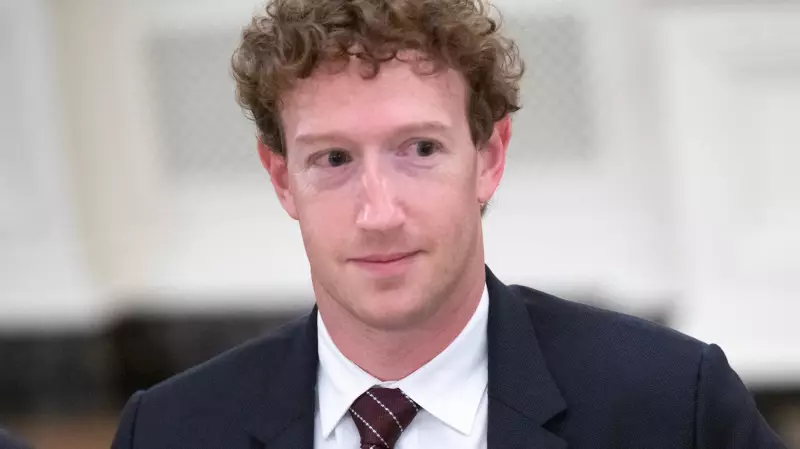
The Los Angeles trial, expected to last six to eight weeks, will feature testimony from high-profile executives including Meta CEO Mark Zuckerberg. Legal observers have noted striking similarities between this litigation and the historic Big Tobacco trials of the 1990s, which resulted in a landmark 1998 settlement requiring cigarette manufacturers to pay billions in healthcare costs and restrict marketing targeting minors.
As the lawsuit asserts: "Plaintiffs are not merely the collateral damage of Defendants' products. They are the direct victims of the intentional product design choices made by each Defendant. They are the intended targets of the harmful features that pushed them into self-destructive feedback loops." The outcome of this precedent-setting trial could fundamentally reshape how technology companies approach product design and youth engagement for years to come.





