Synagogue Shooting in North York: A Predictable Tragedy
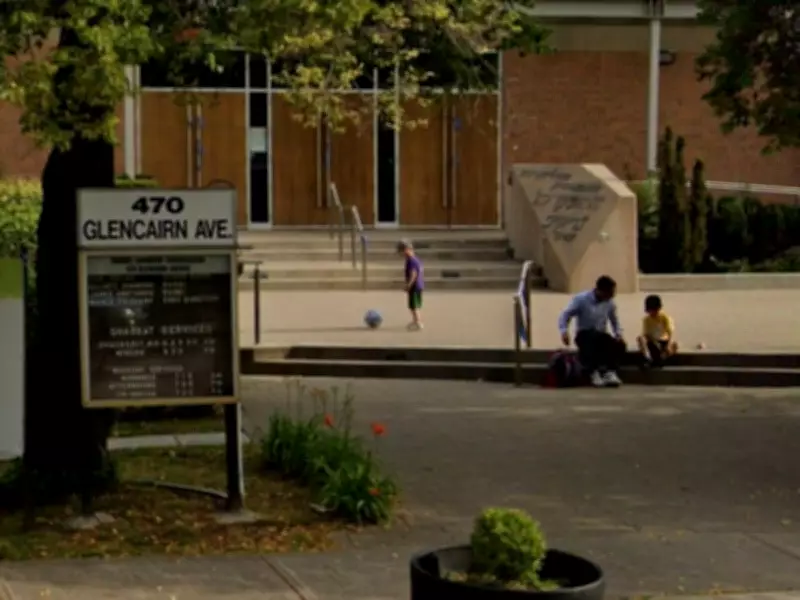
On a Friday night in March 2016, shots were fired at Shaarei Shomayim Congregation, a Modern Orthodox synagogue in North York, Toronto. The author, Jonathan Milevsky, a member of this community, reveals that he had been expecting such an incident for some time. This attack did not come as a shock but rather as a grim realization of the escalating threats facing Jewish neighborhoods across Canada.
Increased Security and Heightened Tensions
For over two years, Jewish areas, including this one, have seen a noticeable increase in police presence. Milevsky questions whether this heightened security might have inadvertently made the neighborhood appear more vulnerable or targeted. He describes a paradoxical situation where protective measures could potentially attract more attention from those with malicious intent.
Political Appeals for Protection
Milevsky had actively approached politicians from various backgrounds to advocate for better protection for synagogues, specifically requesting armed guards. He recounts his attempts to meet with former MP Marco Mendicino on several occasions, only to have the meetings postponed and eventually canceled. This lack of political urgency, he notes, stood in stark contrast to the attention given to other events, such as the trucker convoy protests.

Questioning Government Support
The author expresses serious concerns about the Canadian government's ability to ensure the safety of Jewish citizens. He openly questions whether the Jewish community should reconsider the traditional practice of saying a prayer for the government, a ritual meant to express gratitude for stability and safety. Milevsky argues that neither stability nor safety can be taken for granted in the current climate.
Historical Significance and Targeting
Shaarei Shomayim is one of the oldest functioning synagogues in Toronto, with a history spanning almost a century. Milevsky points out that anyone familiar with the city's Jewish community would recognize its prominence. In contrast, newer synagogues, like the Beth Avraham Yosef Synagogue where he grew up, are architecturally visible but lack the same historical weight. This made the targeting of Shaarei Shomayim highly predictable, according to the author.
The Efficient Market Hypothesis of Violence
Milevsky draws an analogy to the efficient market hypothesis in economics, suggesting that such incidents have become so anticipated that they are already "priced-in" to the community's routine. When other houses of worship are attacked, it naturally leads to wondering why one's own has been spared. This normalization of violence against Jewish institutions has created a new, unsettling reality for Canadian Jews.
The Morning After: A Commonplace Feeling
Describing the morning after the shooting, Milevsky notes that the atmosphere was eerily commonplace. There were hushed conversations among congregants, discussions about broken doors and windows—unfortunately no longer rare in the area—and a gradual realization that something was amiss. By the time he entered the building, the details were clear: bullet holes were visible, security measures were increased, yet the prayer service continued as usual, including a moving sermon.
A Sad and Predictable Reality
In reflection, Milevsky almost wonders what took so long for such an attack to occur. He characterizes it as a sad, highly predictable, and even boring part of the not-so-new reality for Jews in Canada. The incident underscores a broader pattern of antisemitism and violence that has become ingrained in the community's daily life, prompting ongoing questions about safety, government response, and the future of religious freedom in the country.