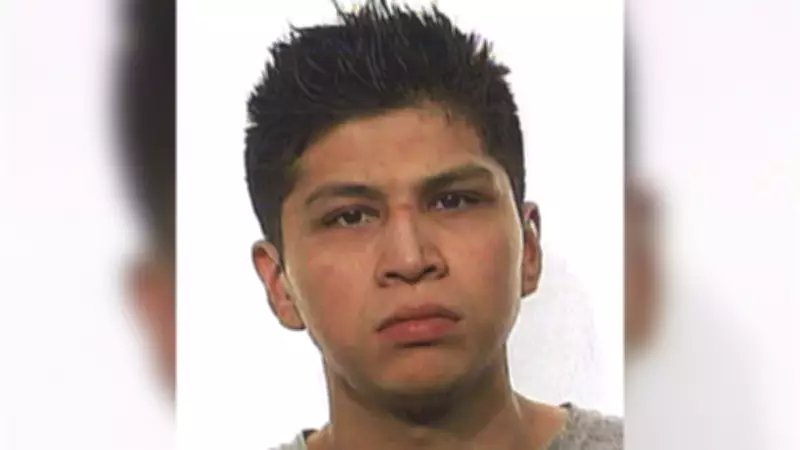
The Supreme Court of Canada has dismissed the appeal of Dillon Whitehawk, who was convicted in connection with the killing of a man on the Bitternose First Nation in Saskatchewan. The decision, handed down on May 25, 2026, upholds the lower court rulings that found Whitehawk guilty of second-degree murder.
Background of the Case
The incident occurred in 2021 on the Bitternose First Nation, a Cree community located approximately 150 kilometers northeast of Regina. Whitehawk was charged after the death of 29-year-old Jordan Bitternose, whose body was discovered near a rural road. An investigation by the Regina Police Service and the Saskatchewan RCMP led to Whitehawk's arrest in 2022.
Trial and Conviction
During the trial at the Court of King's Bench in Regina, the prosecution presented evidence that Whitehawk and Bitternose had been involved in a confrontation that escalated into violence. Witnesses testified to hearing an argument followed by gunshots. The jury found Whitehawk guilty of second-degree murder in 2024, and he was sentenced to life imprisonment with no possibility of parole for 15 years.

Appeal Process
Whitehawk's legal team appealed the conviction, arguing that the trial judge had erred in instructing the jury on the definition of intent and that the verdict was unreasonable. The Saskatchewan Court of Appeal rejected these arguments in 2025, prompting the appeal to the Supreme Court of Canada. The nation's highest court, without providing detailed reasons, dismissed the appeal, effectively ending Whitehawk's legal recourse.
Reactions and Impact
The decision has been met with mixed reactions. Family members of Jordan Bitternose expressed relief, stating that the ruling brings a measure of closure. Meanwhile, advocates for Indigenous justice have called for greater attention to the underlying social issues that contribute to violence in First Nations communities. The case has also sparked discussions about the adequacy of legal representation for Indigenous defendants.
Broader Context
This case is part of a broader pattern of violent incidents in Saskatchewan's Indigenous communities. According to statistics, Indigenous people in the province are disproportionately affected by violent crime, both as victims and as offenders. Community leaders have emphasized the need for more resources dedicated to conflict resolution, mental health support, and economic development.
The Supreme Court's dismissal of the appeal marks the final chapter in this legal saga. Dillon Whitehawk will remain incarcerated, serving his sentence at a federal institution. The case serves as a somber reminder of the ongoing challenges facing Indigenous communities across Canada.