Sudbury Youth Restorative Justice Program Faces Imminent Closure Threat
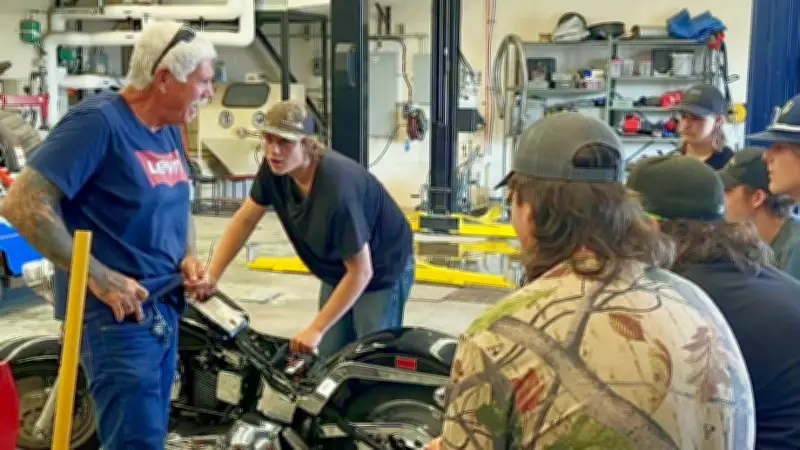
A unique restorative justice initiative in Sudbury, Ontario, that combines motorcycle restoration with youth mentorship is now in serious jeopardy of being shut down. The program, known as Ozzy's Garage, has been operating under the guidance of founder Rick 'Ozzy' Osborne, a formerly incarcerated biker who leverages his personal history to connect with and mentor at-risk teenagers.
The Mission and Impact of Ozzy's Garage
Ozzy's Garage serves as both a workshop for restoring motorcycles and a transformative space for young individuals who are considered at-risk. Rick Osborne, drawing from his own experiences with the justice system, provides these youth with hands-on mechanical skills while simultaneously offering crucial life guidance and support. The program aims to steer participants away from potential negative pathways by fostering responsibility, discipline, and a sense of accomplishment through tangible projects.
The potential closure of this initiative represents a significant loss for the Sudbury community, which has benefited from its alternative approach to youth intervention. Unlike traditional programs, Ozzy's Garage emphasizes practical engagement and mentorship rooted in real-world experiences, creating a unique bond between the founder and the participants.

Challenges and Community Concerns
While specific details regarding the reasons for the program's precarious situation are not fully disclosed in the original report, such initiatives often face financial constraints, funding shortages, or logistical hurdles. The threat of closure raises concerns about the future support available for at-risk youth in the region, particularly those who may not thrive in conventional settings.
The loss of Ozzy's Garage could leave a void in Sudbury's restorative justice landscape, potentially impacting the lives of teenagers who rely on its unconventional yet effective methodology. Community advocates and supporters of the program are likely to be alarmed by this development, as it underscores the fragile nature of grassroots efforts aimed at youth rehabilitation and crime prevention.
As the situation unfolds, stakeholders will be closely monitoring any developments that could determine the fate of this distinctive program. The broader implications for restorative justice practices in Northern Ontario may also come into focus, highlighting the need for sustainable funding and community backing for such innovative approaches.