Stronach Defense Alleges Police Improperly Coached Sexual Assault Accusers
The controversial sexual assault case against auto parts magnate Frank Stronach has reached a critical juncture, with Justice Anne Molloy of the Superior Court of Ontario now deliberating on two pivotal questions that could determine the outcome of this high-profile trial.
Key Questions Before the Court
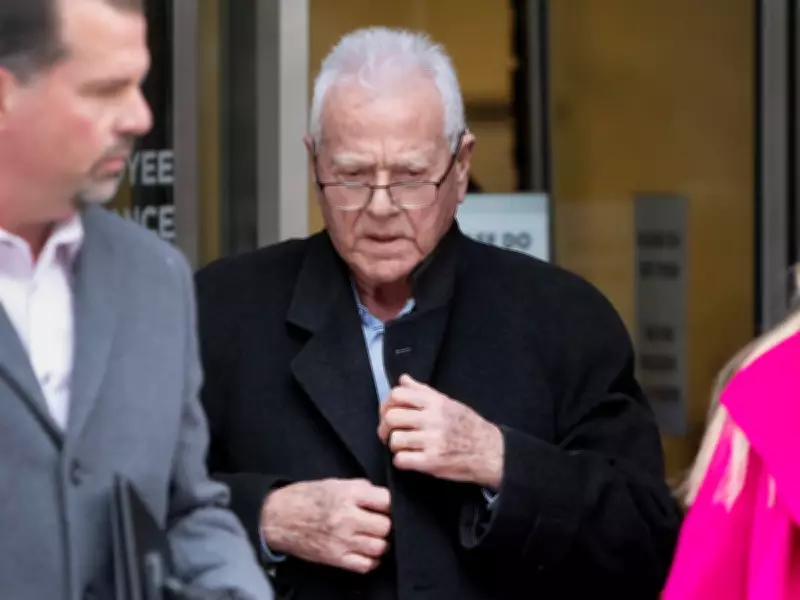
After two months of extensive evidence and arguments, Justice Molloy must decide whether Stronach, now 93, sexually assaulted three women more than four decades ago when he was approximately 50 years old and they were in their twenties. The allegations describe similar patterns of behavior where Stronach allegedly led the women from dinner to a private apartment before initiating unwanted sexual encounters.
More significantly, the court must determine whether police improperly coached all seven original complainants in preparatory meetings held just days before the trial began. Defense counsel Leora Shemesh argues this coaching tainted their testimony and violated Stronach's fundamental right to a fair trial.

Defense Claims of Systematic Coaching
Shemesh presented compelling arguments that all seven complainants revealed new evidence during these police interviews, suggesting they were "guided" in their testimony. The defense contends this cannot be coincidental and represents a systematic problem with the investigation.
"Police made no meaningful attempt to record these new statements," Shemesh argued, noting that crucial evidence has not been preserved or shared with the defense as required by law. In some instances, complainants admitted to reading media reports about other accusers' stories, with similar details later appearing in multiple testimonies.
Potential Consequences of Police Misconduct
If Justice Molloy determines that police coaching occurred, legal experts suggest this could effectively force her to answer the first question in the negative. Such a finding would represent a significant failure for the Ontario Crown prosecution, suggesting that a high-profile sexual assault case against a powerful public figure has been mishandled to the point of complete failure, regardless of the underlying facts.
Historical Context and Cultural Implications
The Stronach case carries particular weight in Canada's legal and cultural landscape. If disgraced former CBC host Jian Ghomeshi's 2016 acquittal on similar charges marked the beginning of the MeToo movement in Canada, Stronach's potential acquittal could signal something approaching its conclusion.
Court proceedings have revealed that many of Stronach's accusers came forward specifically because they learned of Ghomeshi's charges. The defense has further argued that modern political imperatives to "believe all women" caused police to unfairly invert Stronach's presumption of innocence and investigate with what they describe as "tunnel vision" focused solely on establishing his guilt.
Documentation and Disclosure Failures
The defense highlighted significant problems with how police handled crucial pre-trial interviews. Rather than creating comprehensive video and audio records of these sessions, investigators relied on vague notes that captured only what they deemed noteworthy, without preserving the full context of questioning.
In one particularly troubling example, a complainant revealed for the first time during police interviews that she had regarded Stronach as a "fatherly figure"—a significant detail that emerged without proper documentation. Police also reportedly questioned women about inconsistencies and omissions that might undermine their credibility during cross-examination, yet failed to properly record these interactions.
Justice Molloy's Deliberation Challenge
Justice Molloy acknowledged the complexity of her task, reflecting to the court about how difficult these reasons will be to write. Her decision must navigate not only the specific allegations against Stronach but also broader questions about police conduct, investigative integrity, and the proper administration of justice in high-profile sexual assault cases.

The case has already seen most original charges abandoned mid-trial, adding to the perception of a prosecution struggling to maintain coherence. As Justice Molloy considers her verdict, legal observers await a ruling that could have lasting implications for how sexual assault cases are investigated and prosecuted in Canada.