Appeals Court Permits Trump White House Ballroom Construction to Move Forward Temporarily
A federal appeals court has issued a ruling allowing construction of a new White House ballroom to proceed for the time being, overturning a previous injunction that had halted the project. The decision, handed down on April 11, 2026, represents a significant development in the ongoing legal battle surrounding the controversial addition to the presidential residence.
Legal Proceedings and Project Background
The court's ruling temporarily suspends a lower court's order that had stopped construction activities pending further review of the project's approval process. The ballroom project, initiated during the Trump administration, has faced multiple legal challenges from various groups questioning its environmental impact and procedural compliance.
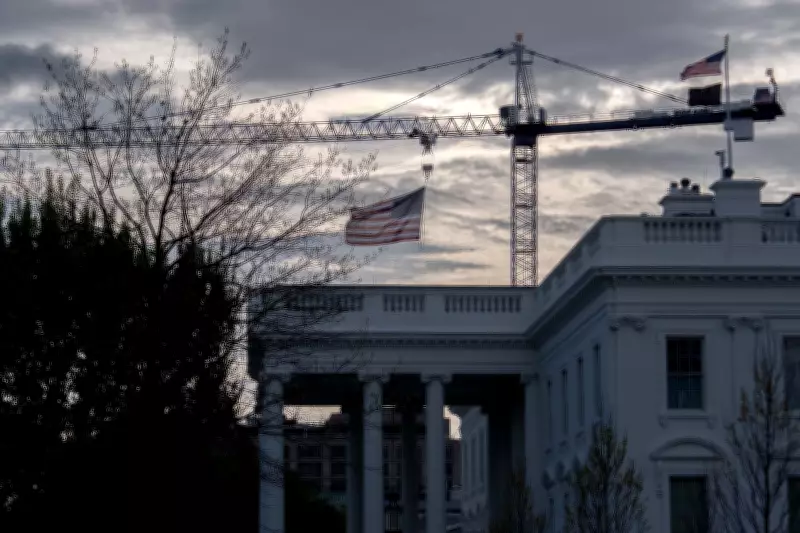
Construction had been visibly underway with cranes and equipment positioned near the White House as recently as early April, as documented in photographs showing the ongoing work. The project aims to create a new entertainment and reception space within the White House complex, though specific details about its size, design, and cost remain limited in public disclosures.

Broader Context and Implications
This ruling comes amid a complex legal landscape where presidential authority, historical preservation concerns, and modern infrastructure needs intersect. The appeals court emphasized that its decision represents only a temporary measure while more comprehensive legal arguments are considered.
The court noted that completely halting construction at this stage could cause "irreparable harm" to the project, while allowing it to continue temporarily maintains the status quo as legal proceedings advance. This approach balances the interests of all parties involved while ensuring the judicial process can proceed without prejudicing the final outcome.
What Happens Next
The legal battle is expected to continue through additional hearings and potential appeals. Key issues still to be resolved include:
- Compliance with historical preservation requirements
- Environmental impact assessments
- Proper authorization procedures
- Potential effects on White House operations
Observers note that this case may establish important precedents regarding executive branch authority over White House modifications and the balance between preservation and modernization of historically significant federal properties.