Noelia Castillo, 25, Dies by Legal Euthanasia in Spain After Landmark Court Battle
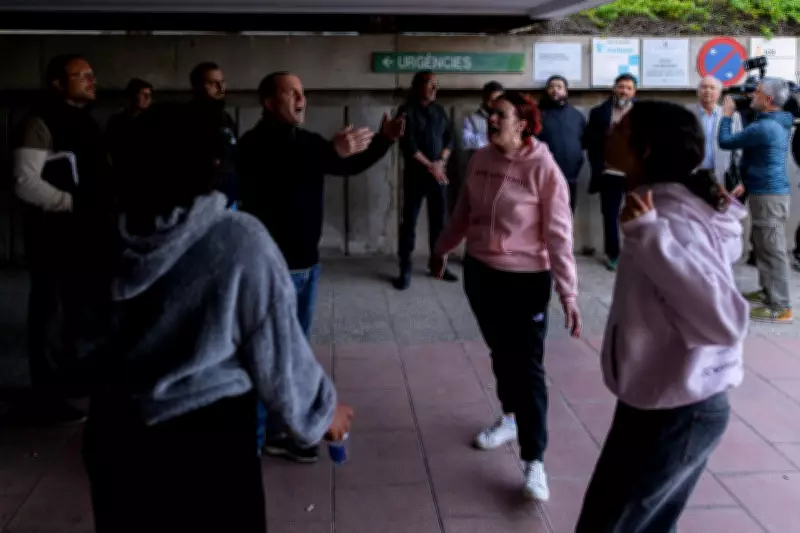
In a case that has captivated the nation, 25-year-old Noelia Castillo has died by legal euthanasia in Spain, concluding a protracted and highly publicized court fight for her right to the procedure. The young woman's death occurred on Thursday, March 26, 2026, at a hospital in Sant Pere de Ribes, Spain, where supporters gathered outside to mark the somber event.
Castillo's journey to secure euthanasia approval involved a lengthy legal battle that highlighted Spain's evolving stance on end-of-life choices. Her case drew widespread media coverage and public debate, underscoring the emotional and ethical complexities surrounding assisted dying laws. The court ultimately ruled in her favor, granting her the legal right to proceed with euthanasia under Spain's legislation, which permits the practice under specific circumstances for individuals suffering from severe and incurable conditions.
National Spotlight on Euthanasia Rights
The death of Noelia Castillo has reignited discussions across Spain about the implementation and accessibility of euthanasia laws. Since Spain legalized euthanasia in 2021, it has remained a contentious issue, with cases like Castillo's bringing personal stories to the forefront of national consciousness. Her struggle emphasized the challenges faced by individuals seeking to exercise their rights under the law, including bureaucratic hurdles and societal stigma.

Outside the hospital in Sant Pere de Ribes, a small crowd assembled, reflecting the mixed emotions of support and sorrow. Many expressed solidarity with Castillo's decision, viewing it as a triumph for personal autonomy, while others grappled with the moral implications of euthanasia. The scene underscored how such cases can polarize communities, even as they advance legal precedents.
Implications for Future Cases
This case is expected to have significant ramifications for future euthanasia applications in Spain. Legal experts suggest that Castillo's successful court fight may streamline processes for others in similar situations, reducing delays and providing clearer guidelines. However, it also raises questions about the adequacy of support systems for terminally ill patients and the need for ongoing public education on end-of-life options.
As Spain continues to navigate the delicate balance between medical ethics and individual rights, the story of Noelia Castillo serves as a poignant reminder of the human element behind legal debates. Her death marks not only a personal conclusion but also a milestone in the country's journey toward more compassionate healthcare policies.