U.K. Wildlife Park Forced to Euthanize Entire Wolf Pack After Internal Attacks
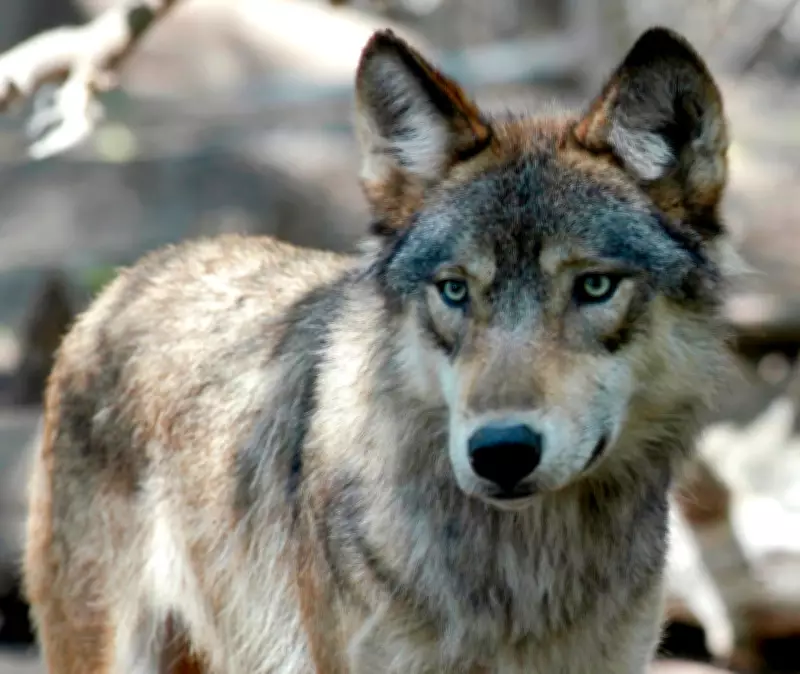
A wildlife park in the United Kingdom has made the difficult decision to euthanize its entire pack of gray wolves after the animals turned on each other in a series of fatal conflicts. The incident underscores the complex challenges of managing captive predator populations and maintaining social dynamics within such groups.
Details of the Tragic Event
The wolf pack, which had been housed at the park for several years, began exhibiting aggressive behavior towards one another recently. Park officials reported that multiple wolves were injured or killed in the internal attacks, leading to an unsustainable situation. After careful assessment by veterinarians and animal behavior experts, it was determined that the pack could not be safely rehabilitated or separated, necessitating the euthanasia of all remaining members.
This decision was not taken lightly, as the park is dedicated to wildlife conservation and education. However, the safety of both the animals and park staff was paramount, given the unpredictable nature of the escalating aggression.

Implications for Captive Wildlife Management
The event raises important questions about the management of social animals in captivity. Wolves are highly social creatures that rely on established hierarchies within their packs. Disruptions to these dynamics, which can occur due to factors like limited space, changes in group composition, or stress, may lead to violent outcomes.
Experts emphasize that such incidents, while rare, highlight the need for advanced monitoring and intervention strategies in wildlife facilities. Proactive measures, such as behavioral enrichment and regular health checks, are crucial to prevent similar tragedies in the future.
Broader Context in Wildlife Conservation
This case also touches on broader issues in wildlife conservation, where balancing animal welfare with public education and species preservation is often challenging. Wildlife parks play a vital role in raising awareness about endangered species and their habitats, but they must navigate ethical dilemmas when managing animal behavior.
The euthanasia of the wolf pack serves as a somber reminder of the responsibilities involved in caring for captive wildlife. It may prompt reviews of protocols and standards across the industry to better address the social and psychological needs of animals like wolves.
In conclusion, while the loss of the wolf pack is a tragic event, it provides an opportunity for reflection and improvement in how we manage and protect wildlife in captivity, ensuring both their well-being and the safety of those who care for them.