In a landmark decision, Spain's Catholic bishops have consented to allow the nation's government-appointed ombudsman to supervise the process of compensating victims of sexual abuse within the Church. This agreement represents a pivotal step towards accountability and transparency for an institution long criticized for its handling of abuse cases.
A Shift Towards External Oversight
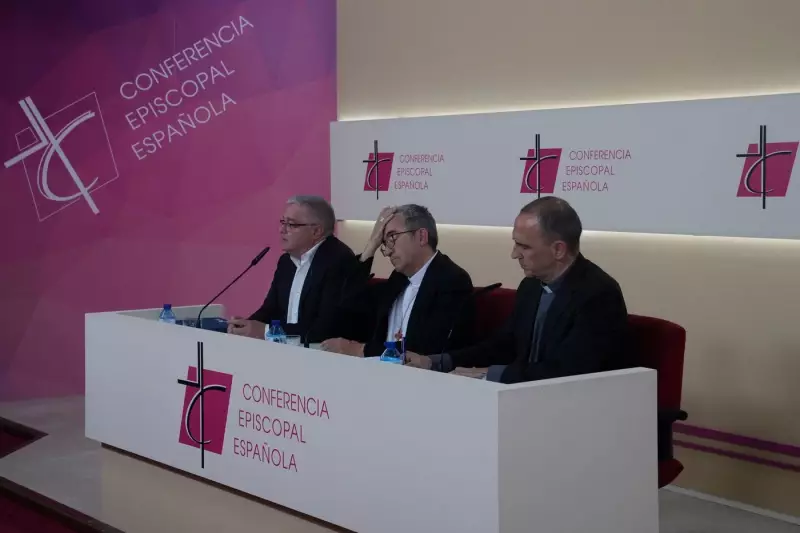
The agreement was announced by the Spanish Episcopal Conference, the governing body of the nation's bishops. For years, the Church had resisted external intervention, preferring to manage abuse allegations and reparations through its own internal channels. This move to accept oversight from the Defensor del Pueblo (ombudsman) signals a notable departure from that stance, bowing to mounting public and political pressure for an independent review of the compensation process.
The decision follows a comprehensive independent report published in 2023, which estimated that over 200,000 minors may have suffered sexual abuse within the Spanish Catholic Church since 1940. The report's staggering findings intensified demands for a formal, state-supervised mechanism to address victims' claims for redress.

Details of the Agreement
Under the new framework, the national ombudsman will act as an external auditor and mediator. This official will monitor the Church's compensation fund and the procedures victims must navigate to receive payments. The goal is to ensure the process is fair, accessible, and conducted with the necessary sensitivity for survivors.
The announcement was made with the involvement of key Church figures, including Luis Arguello, the president of the Spanish Episcopal Conference, and Jesus Diaz Sariego, President of Spain's Conference of Religious Orders. Their participation underscores the institutional commitment to this new path, though many activists argue the Church should fully fund the compensation rather than relying on a state-supervised model it helps administer.
Implications and Ongoing Scrutiny
This agreement is seen as a direct response to the Spanish parliament's earlier calls for a truth commission and a more robust state-led response to the abuse scandal. While a significant concession, victim advocacy groups remain cautious. They emphasize that true justice requires not only financial compensation but also full transparency regarding past cover-ups and the prosecution of abusers, many of whom have escaped legal consequences due to statutes of limitations.
The development in Spain is being watched closely by other nations with similar historical abuse scandals linked to religious institutions. It demonstrates a potential model for leveraging government institutions to broker accountability where internal mechanisms have proven insufficient or opaque. The effectiveness of this oversight will depend heavily on the ombudsman's authority and the Church's cooperation in the coming years.