The Winnipeg Police Service's annual holiday checkstop program has recorded a notable shift in its enforcement activity. During the fourth week of the initiative, officers experienced a drastic decrease in the number of vehicles they stopped compared to earlier phases of the campaign.
Enforcement Trends and Program Context
The checkstop program is a cornerstone of the police service's strategy to combat impaired driving during the festive season. It involves setting up roadside stops where officers can interact with drivers, check for signs of impairment, and promote safe driving habits. The program launched in late November 2025, with the fourth week of enforcement wrapping up in the days leading up to the New Year.
While the original report did not specify the exact numerical decline, it emphasized the change was significant. This drop in stops could be interpreted in several ways. It may suggest that increased public awareness from the first three weeks of the campaign led to fewer drivers risking getting behind the wheel after drinking. Alternatively, it could reflect a change in deployment strategies or a natural variation in traffic patterns and enforcement focus during that specific week.

Visuals and Public Messaging
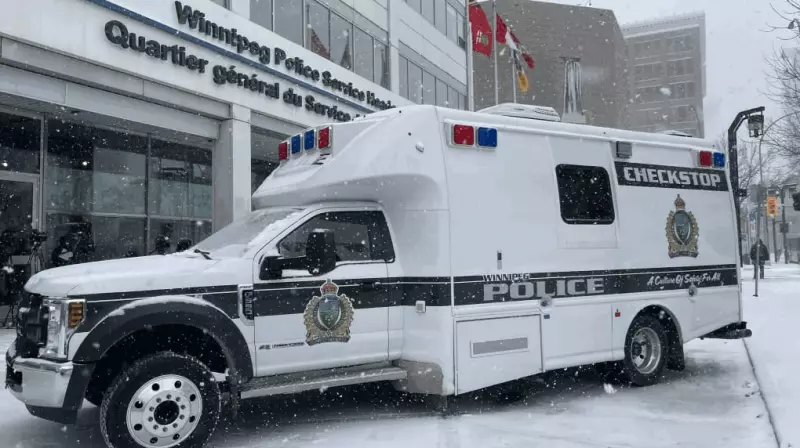
The public face of this enforcement effort is the dedicated Winnipeg Police Service checkstop vehicle, a marked SUV often used as a mobile command post at these stops. A photo of this vehicle, taken on December 3, 2024, outside the police headquarters on Smith Street, was included with the initial report, visually anchoring the program in the community.
The timing of this news, published on December 30, 2025, serves as a critical reminder during a high-risk period for impaired driving. The days surrounding New Year's Eve are traditionally associated with celebrations where alcohol is present, making continued vigilance paramount.
Broader Implications for Road Safety
The reported decrease in stops during the fourth week does not necessarily equate to a decrease in the program's overall effectiveness or importance. Law enforcement experts often note that the primary goal of high-visibility enforcement campaigns is deterrence. The mere presence of checkstops and the widespread publicity they generate are designed to prevent impaired driving before it happens.
A lower number of vehicles being stopped could potentially indicate success in this deterrent mission, meaning fewer drivers are making the choice to drive impaired. However, police services typically analyze such data alongside other metrics, such as the number of impaired driving charges laid during the same period, to get a fuller picture of the program's impact.
The Winnipeg Police Service has not released official commentary on the reasons behind the week-four decline. The story underscores the ongoing challenge of ensuring road safety during the holidays and highlights the dynamic nature of traffic enforcement statistics, where numbers can fluctuate based on a complex mix of enforcement activity, driver behavior, and public awareness.