Saskatchewan Man's Malicious Prosecution Lawsuit Against Province Dismissed by Court
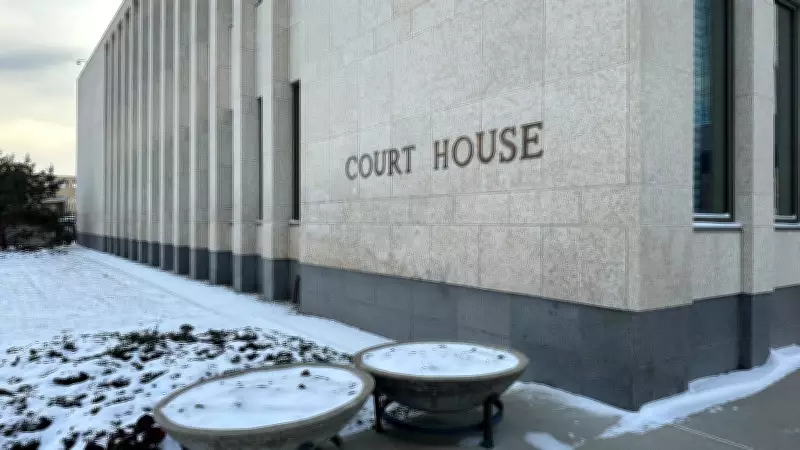
A Saskatchewan man has lost his bid to sue the provincial government over allegations of malicious prosecution, with the Court of King's Bench in Regina dismissing the case. The ruling, delivered in February 2026, represents a decisive legal outcome that underscores the challenges in proving such claims against governmental entities.
Legal Proceedings and Judicial Decision
The man, whose identity has not been publicly disclosed, argued that he was subjected to a malicious prosecution by provincial authorities, claiming wrongful legal actions were taken against him. However, the court found insufficient evidence to support his allegations, leading to the dismissal of the lawsuit. This decision highlights the rigorous standards required to establish malicious prosecution, which typically involves proving that legal proceedings were initiated without probable cause and with malicious intent.
In its judgment, the Court of King's Bench emphasized the importance of protecting the integrity of the judicial system while ensuring that individuals have recourse for genuine grievances. The judge noted that while the man may have faced legal challenges, the evidence presented did not meet the threshold for malicious prosecution under Saskatchewan law.

Context and Implications
This case occurs against a backdrop of ongoing legal debates about prosecutorial conduct and accountability in Canada. Malicious prosecution lawsuits are relatively rare and difficult to win, as they require clear demonstration of abuse of process by authorities. The dismissal may influence similar future cases, potentially discouraging frivolous claims while reinforcing the need for robust evidence in such legal actions.
Experts in legal affairs suggest that this ruling could prompt discussions about reforming procedures to balance individual rights with prosecutorial discretion. It also serves as a reminder of the complexities involved in navigating the justice system, particularly when challenging governmental actions.
The outcome has been met with mixed reactions, with some advocating for stronger protections against wrongful prosecutions, while others commend the court for upholding legal standards. As the legal landscape evolves, this case may be referenced in future judicial reviews and policy considerations related to prosecutorial oversight in Saskatchewan and beyond.