Saskatchewan Gun Owners Navigate Federal Ban and Provincial Opposition
The ongoing conflict between federal firearms regulations and provincial opposition in Saskatchewan has created significant uncertainty for gun owners across the province. With the federal government implementing a comprehensive ban on assault-style firearms and offering compensation through its buyback program, Saskatchewan residents find themselves caught between conflicting legal frameworks that could impact their rights and legal standing.
Federal Compensation Program Faces Provincial Resistance
The Canadian government launched the latest phase of its national firearms initiative on January 19, 2026, establishing the Assault-Style Firearms Compensation Program (ASFCP). This program offers financial compensation to individuals who voluntarily surrender weapons classified as "assault-style" firearms. However, Saskatchewan has declined to support the federal prohibition and its accompanying compensation program, creating a jurisdictional standoff that leaves gun owners in legal limbo.
Public Safety Canada has acknowledged the provincial resistance, stating in a prepared statement: "Should provincial laws put in place by the Alberta and Saskatchewan governments impede or limit the process for compensation in the ASFCP, individuals from those provinces who participated in the declaration would not be able to receive compensation for their prohibited firearms unless these jurisdictions allow them to do so."

Critical Deadlines and Legal Consequences
Gun owners face several important deadlines under the federal program. The declaration period for voluntarily submitting banned weapons opened recently, with a registration deadline of March 31, 2026. Those who participate can choose to cancel their declaration before their scheduled appointment to surrender firearms.
The amnesty period protecting owners of banned firearms expires on October 30, 2026. After this date, individuals who still possess prohibited weapons could face criminal charges. This creates a narrow window for Saskatchewan residents to navigate the complex regulatory landscape.
Compensation Structure and Program Details
The federal buyback program identifies 2,585 banned firearms and receivers, with compensation ranging from $150 to $9,945 per weapon. The government website displays the complete list of outlawed guns and emphasizes that compensation occurs on a "first-come, first-serve basis" and is "subject to availability of program funds."
According to Public Safety Canada, the current buyback initiative focuses on individual gun owners, while a previous round collected more than 1,000 firearms from retailers in Alberta and Saskatchewan between November 2024 and April 2025.
Provincial Legislation and Storage Considerations
Saskatchewan has introduced its own legislation to reinforce its opposition to the federal ban, though neither provincial nor federal departments would directly confirm whether Saskatchewan residents will receive compensation given the jurisdictional misalignment. This legislative conflict creates uncertainty about how provincial storage laws interact with federal regulations.
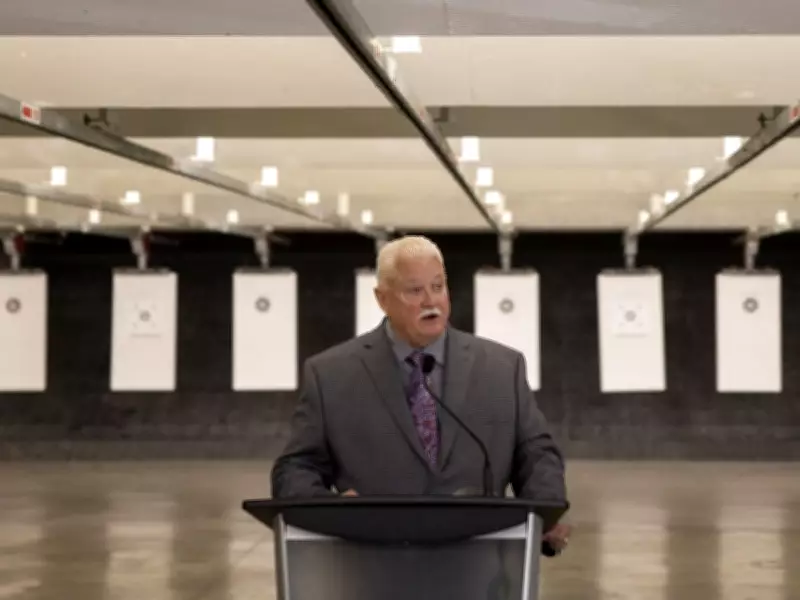
The appointment of Robert Freberg as Saskatchewan's first Chief Firearms Officer (CFO) on September 27, 2021, at the Regina Wildlife Federation headquarters near White City represents the province's commitment to developing its own firearms management approach, potentially creating alternative pathways for gun owners.
Navigating the Regulatory Maze
Firearms owners in Saskatchewan must carefully consider several factors:
- The March 31, 2026 declaration deadline for the federal buyback program
- The October 30, 2026 amnesty expiration date
- Potential compensation ranging from $150 to $9,945 per banned firearm
- Provincial storage requirements that may conflict with federal regulations
- The possibility of criminal charges for non-compliance after the amnesty period
As the jurisdictional conflict continues between federal and provincial authorities, Saskatchewan gun owners remain in a precarious position, requiring careful navigation of both legal frameworks to avoid potential criminal liability while protecting their rights and property.