St. Thomas Police Honors Terminally Ill Teen as Honorary Cadet in Touching Ceremony
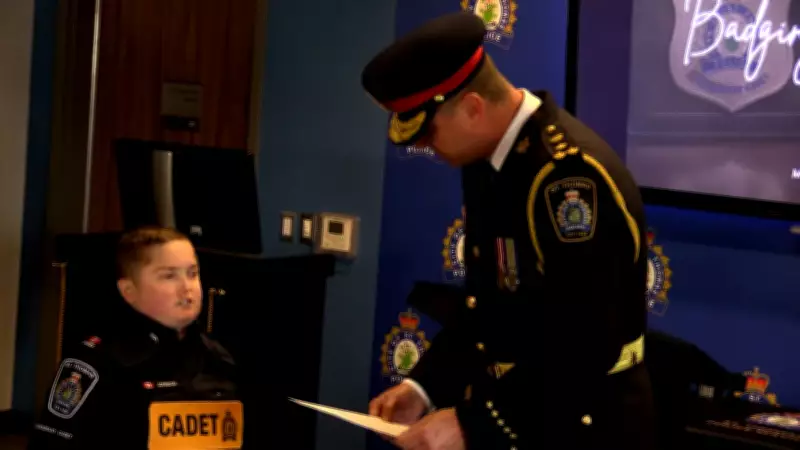
In a heartwarming display of community solidarity, the St. Thomas Police Service bestowed a special honor upon 17-year-old Wes Johnson, who is battling a terminal illness. During a poignant ceremony held on Wednesday, Johnson was officially named an honorary cadet, recognizing his courage and spirit in the face of adversity.
A Ceremony of Compassion and Recognition
The event, which drew emotional responses from attendees, was organized by the police service to celebrate Johnson's resilience. Police officials and community members gathered to witness the presentation, underscoring the department's commitment to fostering positive relationships with local residents. This gesture not only highlights Johnson's personal strength but also serves as a testament to the police force's dedication to supporting vulnerable individuals within the community.
Community Impact and Broader Context
This act of kindness comes amid a series of other notable events across Canada, including policy announcements and public safety incidents. For instance, Ontario has introduced a temporary HST rebate for new home buyers, while Alberta and Ottawa have reached an agreement-in-principle on methane emissions. Additionally, various police investigations and environmental concerns, such as cougar sightings in British Columbia and contraband seizures in Saskatchewan, continue to shape the national landscape.

However, the focus on Johnson's story emphasizes the human element behind law enforcement efforts. By honoring him as an honorary cadet, the St. Thomas Police Service aims to inspire hope and demonstrate that compassion remains a core value in their operations. This initiative aligns with broader societal trends of recognizing individual struggles and promoting inclusivity, as seen in other sectors like healthcare and education.
Reflections on Policing and Public Engagement
The ceremony for Wes Johnson reflects a growing emphasis on community-oriented policing, where forces seek to build trust and engagement through meaningful interactions. Similar efforts are evident in other regions, such as systemic probes into police misconduct in British Columbia and public safety initiatives like Project Lifesaver for locating missing persons. These actions collectively underscore the evolving role of police services in addressing both enforcement and emotional support needs.
As Johnson's story resonates with many, it serves as a reminder of the power of small gestures in making a significant impact. The St. Thomas Police Service's decision to honor him not only celebrates his life but also reinforces the importance of empathy in public service, setting a positive example for communities nationwide.