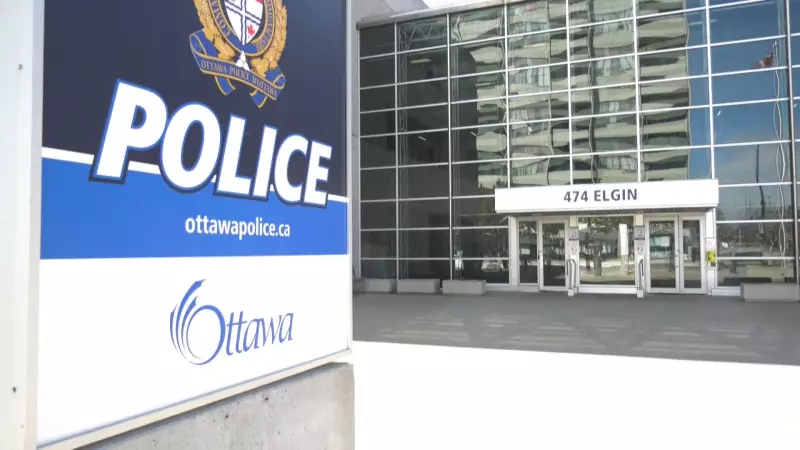
The Ottawa Police Service (OPS) is launching a new digital communication initiative designed to keep residents informed and gather feedback on their experiences. Starting in January 2026, the service will begin sending text message updates and voluntary follow-up surveys for specific types of calls for service.
Enhancing Public Communication Through Technology
This program represents a significant shift in how the police service interacts with the community for incidents that do not require an immediate, urgent response. The goal is to provide clearer timelines and set expectations for residents who have contacted police for assistance. When a report is filed for an eligible incident, the caller will receive an automated text message confirming the report has been received. Further texts may be sent to update the individual on the status of their file or to provide relevant case numbers.
The initiative, announced on January 8, 2026, is part of a broader strategy to modernize police-community interactions. By leveraging common technology, the OPS aims to bridge communication gaps that can sometimes occur through traditional channels. The service has emphasized that this system is intended for non-emergency situations and will not replace direct contact with an officer when necessary.

Voluntary Surveys to Gauge Service Quality
A key component of the new system is the integration of voluntary customer service surveys. After their interaction with police is concluded, individuals may receive a text message with a link to a brief, anonymous survey. This feedback mechanism is designed to give the OPS direct insight into the public's perception of their service, response times, and officer conduct.
The data collected will be used internally to identify areas for improvement, recognize positive performance, and help shape future training and policy decisions. Police leadership has stated that transparency and accountability are central to building public trust, and this survey tool is a step toward that objective. Participation in the survey is entirely optional, and no personal information from the surveys will be linked to specific police reports.
Implementation and Future Scope
The rollout will be phased, beginning with a select range of call types before potentially expanding. The OPS has not disclosed the full list of eligible incidents but has indicated they will be lower-priority matters where immediate dispatch is not critical. Residents are reminded that for all emergencies, calling 911 remains the only appropriate course of action.
This move by the Ottawa Police follows trends in other municipal services and police forces across North America that are adopting similar text-based notification systems. The hope is that by managing expectations and opening a new feedback loop, the service can operate more efficiently while improving overall community satisfaction with police responsiveness.